.png)


Ghana is widening its war on illegal drugs by targeting something potentially more damaging to trafficking networks than intercepted consignments: their money.
Authorities have restrained about GH¢6.9 million and US$440,000 connected to suspected drug trafficking and money laundering, while tracing 73 assets and seizing more than 19 kilograms of gold believed to be linked to proceeds from the narcotics trade.
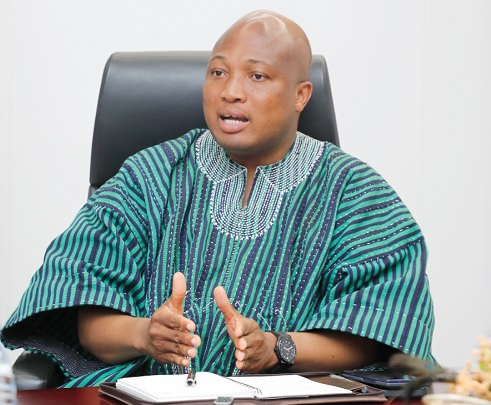
Interior Minister Muntaka Mohammed-Mubarak disclosed the figures on Monday, August 24, during the Government Accountability Series, describing an enforcement strategy increasingly aimed at disrupting the financial infrastructure supporting the illegal drug economy.
The approach represents an important shift.
Instead of concentrating only on people caught transporting, selling or using illegal substances, authorities say investigators are following the money, identifying property and other assets suspected to have been acquired through drug proceeds and restraining them while criminal cases proceed.
“Our campaign is not just [targeted] at the users, but those who are bringing it,” Mohammed-Mubarak said.
According to the Interior Minister, investigators have traced 73 assets linked to suspected drug-related activity.
More than 19 kilograms of gold has also been seized in cases involving suspected laundering of proceeds from the narcotics trade.
Authorities have additionally restrained about GH¢6.9 million and US$440,000 associated with individuals under investigation.
The minister said suspected assets can be frozen while prosecutions are underway, preventing individuals from disposing of property that investigators believe could represent proceeds from illegal activity.
The figures suggest that Ghana is increasingly treating narcotics trafficking not simply as a policing problem but as an organised financial crime.
Drug trafficking networks require money to import substances, move shipments, pay intermediaries, acquire property and conceal profits. Attacking those financial networks can therefore make it more difficult for trafficking organisations to continue operating even after individual arrests.
The financial investigations form part of a broader crackdown involving the Narcotics Control Commission, Ghana Police Service and other security agencies.
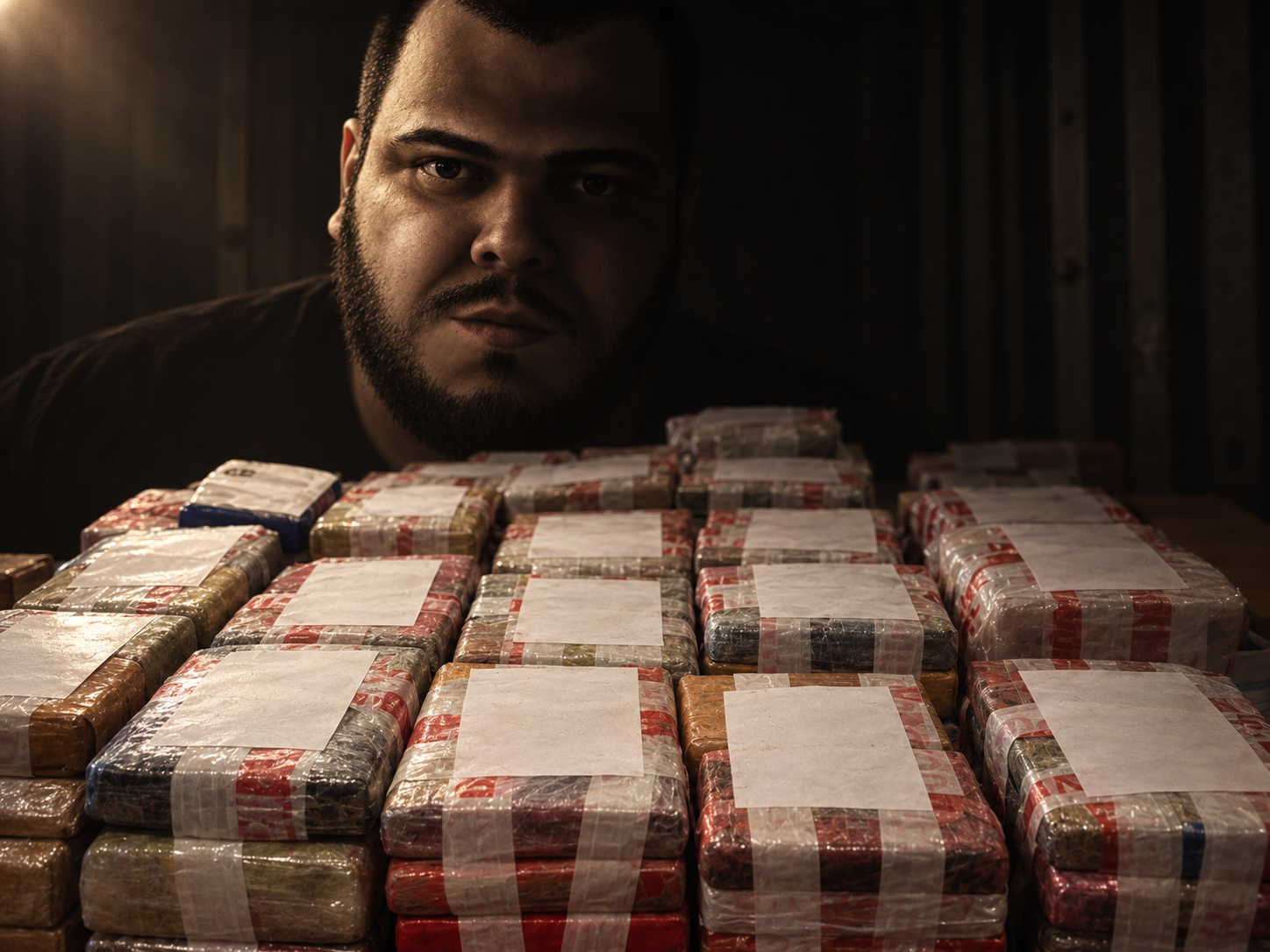
Between January 2025 and July 2026, the government says security agencies seized more than 8,500 kilograms of narcotic drugs.
Authorities also intercepted approximately 45.4 million Tramadol tablets during the period.
The scale of the Tramadol seizures has emerged as a particular concern for the government as Ghana confronts the growing circulation and abuse of synthetic and pharmaceutical drugs.
Mohammed-Mubarak described synthetic drugs as one of the major challenges facing authorities.
In less than two years, he noted, more than 45 million Tramadol tablets had been intercepted.
The government says the intensified campaign resulted in 217 arrests and the initiation of 165 prosecutions during the period under review.
But the numbers also illustrate why enforcement agencies are increasingly focusing on assets.
Arresting an alleged trafficker does not necessarily dismantle the wider network behind a drug operation.
Money, vehicles, property, businesses, precious metals and other assets can remain available to associates or be used to finance future trafficking.
Following those assets allows investigators to pursue the economic structure supporting the operation.
In practical terms, Ghana's strategy is increasingly built around three fronts: intercept the drugs, prosecute the people involved and disrupt the money behind them.
The seizure of more than 19 kilograms of gold adds another dimension to the crackdown.
Gold is highly valuable, portable and internationally tradable, making transactions involving precious metals an area of concern for anti-money laundering authorities globally.
In Ghana, where gold is one of the country's most important commodities, investigators looking into organised crime must also confront the possibility that proceeds from illegal activities can be converted into valuable assets that are easier to store or move.
Authorities have not said that Ghana's wider gold industry is implicated in the narcotics cases. The gold cited by the government relates specifically to assets seized in suspected drug-money laundering investigations.
The cases nevertheless demonstrate how investigations into narcotics can extend far beyond drugs themselves.
The government has also warned that Ghana's relationship with the international narcotics trade is changing.
Narcotics Control Commission officials have previously expressed concern that the country is no longer simply being used as a transit route for drugs moving to other markets.
Domestic consumption, pharmaceutical abuse and the growing availability of synthetic substances are creating an increasingly complex challenge for law enforcement and public health authorities.
Recent operations have involved cocaine, cannabis, Tramadol and other controlled substances, while security agencies have expanded intelligence-led raids and interdictions across the country.
NACOC has also expanded its operational presence across Ghana as the government attempts to strengthen surveillance, investigations and prevention.
The Interior Minister acknowledged that enforcement represents only one side of Ghana's drug problem.
Authorities say more than 2,000 drug-prevention and educational programmes have been conducted in schools, workplaces, communities and faith-based organisations as part of efforts to reduce demand.
Rehabilitation, however, remains a major weakness.
Ghana does not yet have a dedicated national rehabilitation centre capable of responding at scale to people struggling with drug dependence.
That leaves the country confronting two interconnected problems.
One involves sophisticated trafficking networks that can move drugs, money and assets.
The other involves the people and communities consuming the substances those networks supply.
Both require different responses.
Police operations, prosecutions and asset seizures can make trafficking more expensive and dangerous. Prevention, treatment and rehabilitation are needed to reduce the market that makes the trade profitable in the first place.
The latest figures therefore reveal more than the volume of drugs Ghana has intercepted.
They point to an evolution in how authorities are approaching the illegal drug economy.
8.5 tonnes of narcotics.
45.4 million Tramadol tablets.
217 arrests.
165 prosecutions.
73 assets traced.
More than 19 kilograms of gold seized.
GH¢6.9 million and US$440,000 restrained.
The drugs may be the most visible part of the trade.
But if Ghana's latest strategy is sustained, the real battle could increasingly take place somewhere else: inside the financial networks that make trafficking profitable.


.png)
Stay informed with the latest African media trends, job opportunities, and development news. Connecting Africa with global media and development partners.