.png)


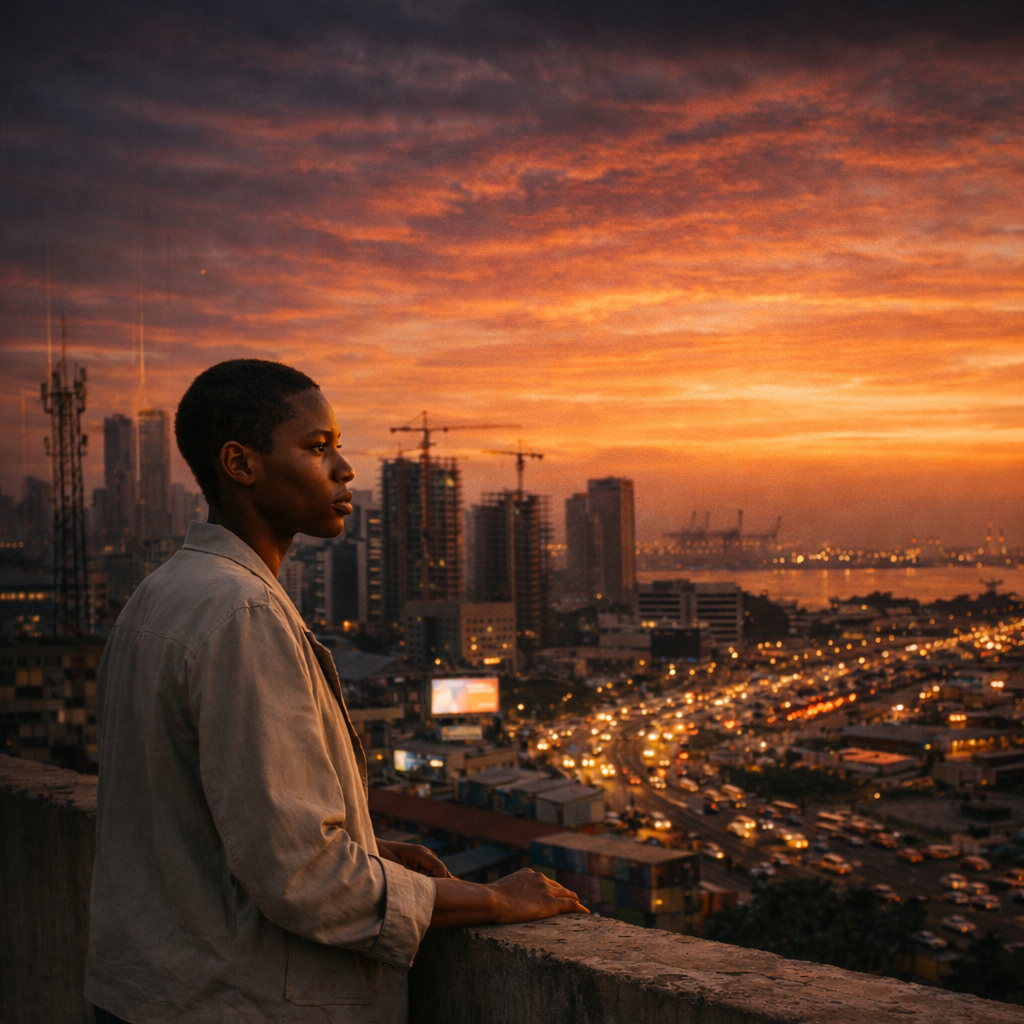
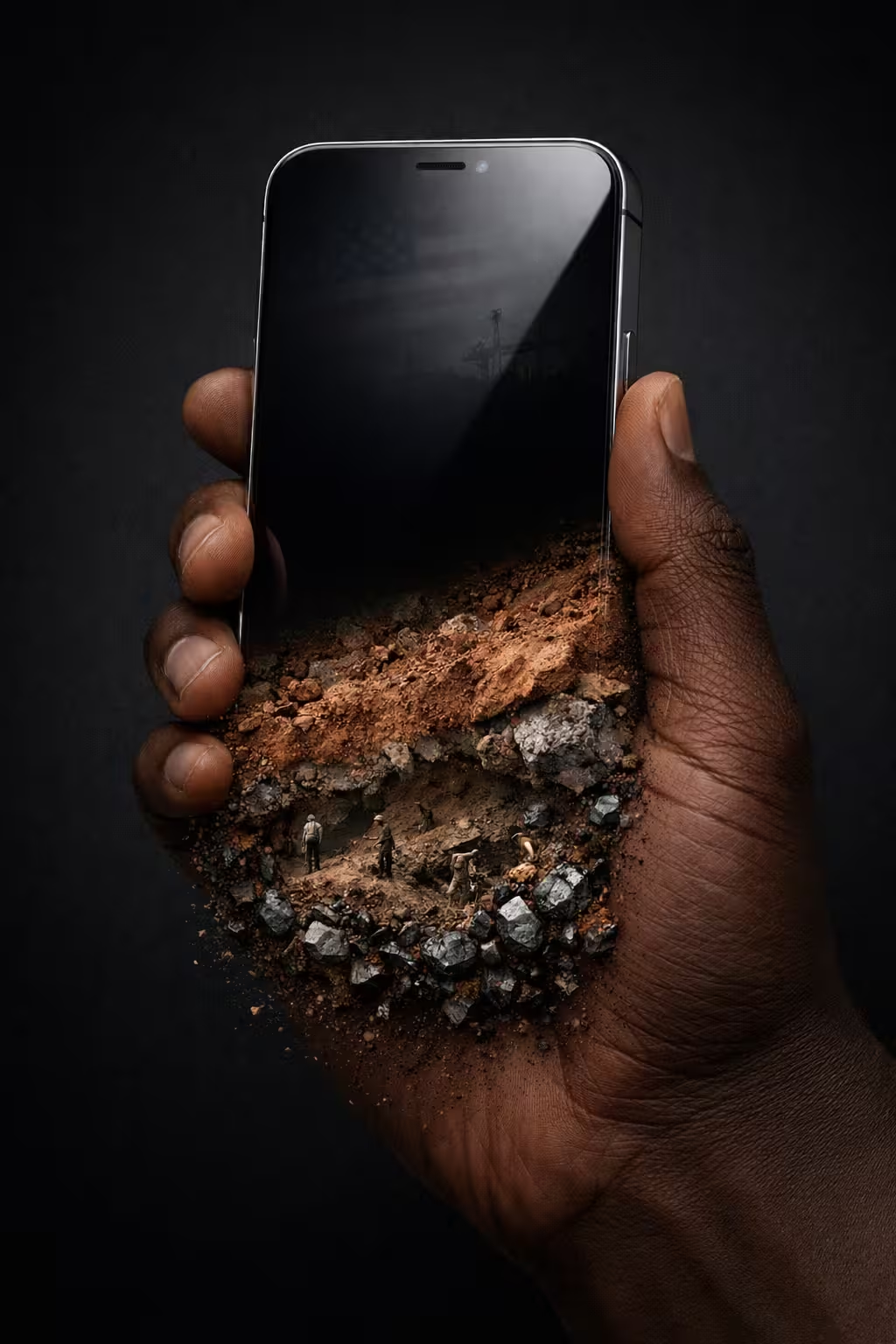
Africa’s growth story is often framed through what can be seen and measured: oil reserves, mineral wealth, expanding cities, and digital infrastructure. These are the assets that dominate policy conversations and attract capital. Yet beneath all of this sits a system that quietly determines whether that growth is sustainable or fragile. Soil remains one of Africa’s most undervalued economic assets, even though it underpins agriculture, supports livelihoods, and shapes food security across the continent. It does not feature in national balance sheets, it is rarely treated as a strategic priority, and it is almost invisible in investment frameworks, but its condition directly influences economic outcomes at scale.
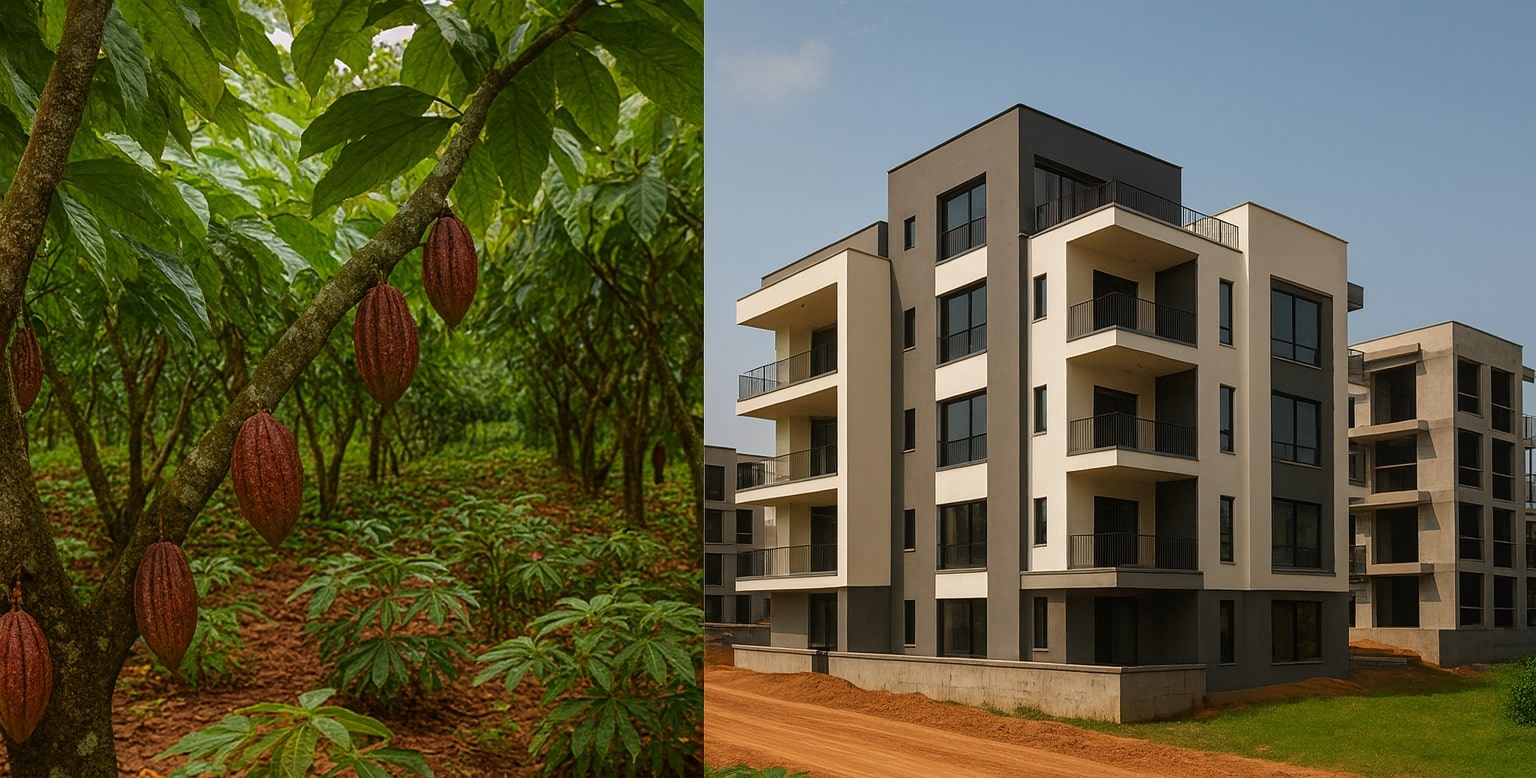
The issue is not that soil is unimportant. It is that it is misunderstood. In practical terms, soil behaves less like land and more like infrastructure. Healthy soil regulates water, stores carbon, sustains biodiversity, and maintains agricultural productivity over time. Degraded soil reverses those functions, reducing yields, increasing vulnerability to drought, and placing pressure on already fragile food systems. Across sub-Saharan Africa, the impact of soil degradation is already evident in declining farm productivity and rising dependence on food imports. These pressures move beyond agriculture, affecting food prices, rural incomes, and migration patterns into urban areas that are not structured to absorb that growth.
What makes the situation more complex is the nature of the decline. Soil degradation is gradual. It does not create immediate shocks that force urgent policy responses. Instead, it weakens systems quietly over time, allowing the effects to accumulate until they begin to show up as economic strain. Governments respond to rising food costs. Households adjust to shrinking purchasing power. Farmers attempt to compensate with short-term inputs. But the underlying issue remains largely unaddressed because it sits outside the dominant framework of how growth is measured and managed.
Investment patterns reflect this gap. Soil does not attract the same level of attention as infrastructure or energy because the returns are long-term and difficult to quantify using conventional financial models. Restoration takes time, often beyond political cycles, and its benefits are distributed across multiple sectors rather than captured in a single revenue stream. Responsibility is also fragmented. Soil sits between agriculture, environment, and climate policy, which means no single institution fully owns the problem. As a result, interventions tend to focus on short-term yield improvements, such as fertilizer subsidies, without addressing the biological systems that sustain productivity over time.
There are emerging efforts to shift this thinking. Regenerative agriculture, agroforestry, and soil carbon initiatives are beginning to reposition soil as a strategic asset rather than a passive input. These approaches recognize that long-term productivity depends on restoring and maintaining soil health, not just extracting output from it. They also introduce new ways of thinking about value, where resilience, sustainability, and long-term yield stability become part of the economic equation. However, these models remain at the margins and have yet to be integrated into mainstream policy and investment strategies across the continent.
The strategic implication is clear. Africa does not lack land, and it does not lack agricultural potential. What it lacks is a coordinated approach to protecting and enhancing the biological foundation that supports that potential. If soil continues to be treated as an afterthought, the continent risks building its growth on a system that is steadily weakening beneath it. Reframing soil as a core economic asset is not simply an environmental argument. It is a structural one that connects directly to food security, climate resilience, and long-term economic stability.
Credit: Adapted from reporting by ModernGhana, based on the article “Soil is Africa’s Hidden Growth Asset.”


.png)
Stay informed with the latest African media trends, job opportunities, and development news. Connecting Africa with global media and development partners.
.png)

.avif)
.png)