
.png)


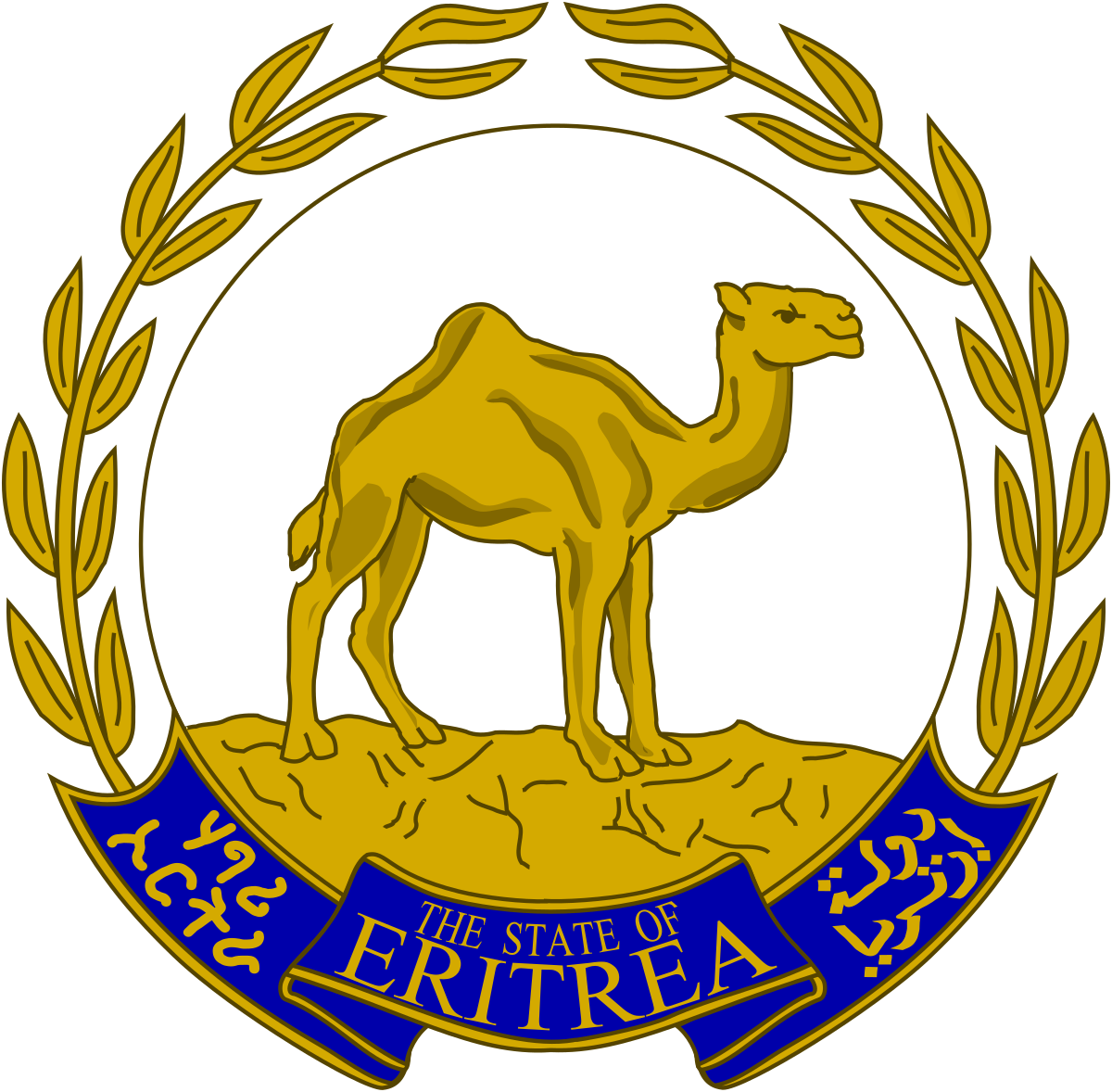
On 31 May 2026, Ambassador Negassi Kassa, Eritrea's envoy to the European Union and Benelux countries, conducted a seminar for Eritrean nationals in The Hague. Alongside him, the head of Consular Affairs briefed attendees on consular services, and the head of Public and Community Affairs called on nationals to strengthen their contributions to boarding school projects. Participants expressed "conviction to strengthen unity and participation in national affairs."
The event was reported by Eritrea's Ministry of Information and distributed by APO Group on the ministry's behalf. It is, by its own framing, a standard exercise in what the Eritrean government calls "community affairs" — the regular engagement between Eritrean diplomatic missions and nationals living abroad.
Eritrea has one of the most structured diaspora engagement systems in Africa. The governing PFDJ party, which has held power since independence in 1991, treats the diaspora not as a constituency to be served but as an extension of the domestic mobilisation apparatus. Eritrean embassies and consulates across Europe, North America, the Gulf, and Australia routinely organise seminars of the type described in this press release, combining political briefings on the domestic situation with requests for financial contributions to state programmes. The "boarding school projects" referenced at the Hague event are one component of a broader system through which diaspora Eritreans fund infrastructure in their home regions.
The financial mechanism most associated with this system is the two per cent diaspora tax — a formal levy imposed by the Eritrean state on the income of nationals living abroad, enforced through consular services. To obtain consular services such as passport renewal, document certification, and emergency assistance, nationals must demonstrate compliance with the two per cent requirement or sign a "letter of regret" acknowledging non-payment. The UN Panel of Experts on Eritrea has documented this system in multiple reports, describing it as coercive because it conditions access to government services on political and financial compliance.
The Netherlands government has responded to this system. In 2013, it expelled Eritrea's Consul General after reports that officials were pressuring Eritrean nationals on Dutch soil to pay the diaspora tax. Subsequent diplomatic relations have been managed with more caution. The May 2026 seminar at The Hague — in the seat of the Dutch government and home to the International Court of Justice — is a routine event for the Eritrean diplomatic network but one that occurs within an internationally documented contested space.
Ambassador Negassi's description of Eritrea as "focused on implementing development programs, ensuring its internal peace and stability, as well as making its modest contribution to ensuring peace and stability in the region" is the standard language of Eritrean official communications. It does not mention the ongoing Tigray-related tensions, the unresolved border situation with Ethiopia following the 2018 peace agreement, or the conditions inside Eritrea that have made it one of the highest per-capita sources of refugees globally. Eritrea generated one of the largest asylum seeker populations in Europe during the 2015 to 2016 migration surge, predominantly young men fleeing indefinite national service.
Reporting the seminar as presented, without context, would misrepresent what these events are. They are simultaneously an administrative function, a political mobilisation exercise, and an element of a diaspora management system that has attracted sustained scrutiny from UN human rights mechanisms and European governments. The attendance of Eritrean nationals at such events is not simply voluntary civic participation: it can be motivated by practical need for consular services, social pressure within tight-knit diaspora communities, or genuine political alignment with the government's position.
None of this negates the consular services the mission provides or the legitimate desire of Eritrean nationals abroad to remain connected to their homeland. It does require that coverage of these events be read with an understanding of the structural context in which they occur.


.png)
Stay informed with the latest African media trends, job opportunities, and development news. Connecting Africa with global media and development partners.

.jpeg)