
.png)


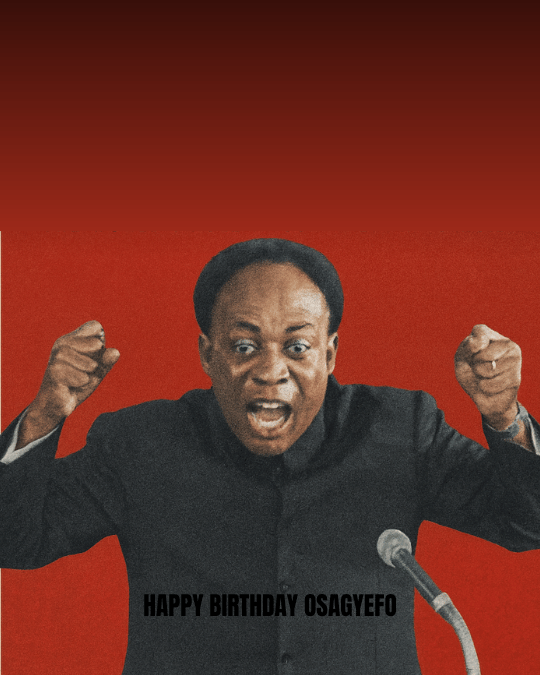
On 6 March 1957, the British colony known as the Gold Coast became the independent nation of Ghana. The event marked a significant milestone for both the country and the wider African continent. Under the leadership of Kwame Nkrumah, Ghana became the first sub-Saharan African colony to gain independence from European rule in the post-war era. For many across Africa, the moment signaled that colonial systems of governance could be replaced by African-led political institutions.
Nkrumah viewed independence not only as a political achievement but also as the beginning of a broader economic transformation. At the time of independence, Ghana’s economy reflected a structure typical of colonial administrations, centered on the export of raw materials such as cocoa, gold, and timber while manufactured goods were largely imported. Nkrumah’s government sought to reduce this dependence by promoting industrialization, expanding education, and investing in infrastructure intended to support domestic production.
One of the most prominent projects of this period was the construction of the Akosombo Dam, which created Lake Volta and significantly expanded the country’s electricity supply. The project was designed to support industrial development, including aluminum processing, and to strengthen Ghana’s long-term energy capacity. During the early years of independence, the government also established several state-owned enterprises and expanded investments in transportation networks, ports, and educational institutions.
This development strategy changed course after the 1966 Ghana coup d'état, which removed Nkrumah from power while he was abroad. In the decades that followed, Ghana experienced periods of both civilian and military rule. Economic policies shifted repeatedly during this time, and several of the earlier state-led industrial initiatives were reduced or discontinued.
By the early 1980s Ghana faced a severe economic crisis characterized by declining production, high inflation, and shortages of essential goods. The government responded by introducing economic reforms supported by the International Monetary Fund and the World Bank. These structural adjustment programmes focused on stabilizing the economy through currency reforms, fiscal discipline, privatization of state-owned enterprises, and the liberalization of trade and investment policies. The reforms contributed to macroeconomic stabilization and renewed foreign investment, although the economy continued to rely heavily on commodity exports.
Today, Ghana remains one of Africa’s most stable democracies, with regular elections and peaceful transfers of power. Cities such as Accra have grown into regional centers for diplomacy, commerce, and cultural exchange. At the same time, the structure of the economy continues to depend significantly on commodities including gold, cocoa, and crude oil, leaving national revenues influenced by fluctuations in global markets.
Nearly seven decades after independence, Ghana’s development experience reflects both progress and ongoing challenges. The country has achieved notable political stability and expanded infrastructure, yet debates continue about industrialization, value addition, and economic diversification. For many citizens, particularly younger generations, the question is how political independence can translate into sustained economic transformation within an increasingly interconnected global economy.
As Ghana marks successive anniversaries of independence, the occasion serves both as a celebration of national self-government and as a reminder of the long-term goals that accompanied the country’s founding. The pursuit of economic resilience, industrial growth, and greater control over national development remains central to the country’s evolving policy discussions.


.png)
Stay informed with the latest African media trends, job opportunities, and development news. Connecting Africa with global media and development partners.

.avif)


)%20(2).jpg)
.avif)