.png)


In an era increasingly dominated by noise, visibility, and performative entrepreneurship, some builders move differently.
Quietly.
No constant interviews.
No loud branding campaigns.
No social media theatrics carefully engineered for attention.
Just years of work happening beneath the surface.
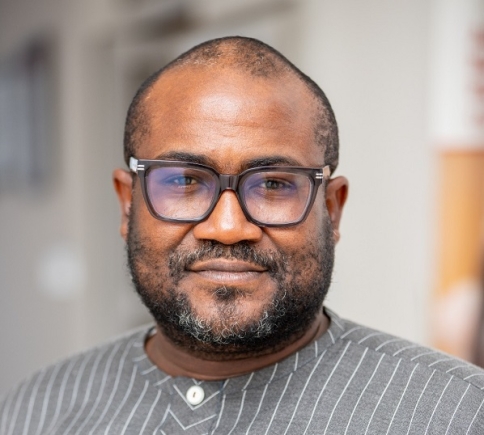
Inside Ghana’s growing fintech and crypto ecosystem, one name has quietly circulated through private conversations, investment circles, and digital finance communities for years: Albert Sarpong.
At just 34 years old, the founder of Siastes and Crypto Asset Wealth Management has gradually built a reputation inside crypto and financial technology spaces while remaining largely invisible to the wider public.
Born and raised in the United Kingdom and now residing in North America, Sarpong represents a new generation of globally connected African financial builders operating across borders rather than inside traditional geographic limitations.
And perhaps that is what makes his story increasingly important.
Because while much of Africa’s public business culture still celebrates visibility first, a different class of builders is beginning to emerge quietly through infrastructure, financial systems, digital assets, and technology enabled wealth creation.
Over the last few years, crypto has remained one of the most controversial but transformative financial developments across Africa. In countries struggling with inflation, currency instability, banking limitations, remittance costs, and restricted financial access, digital assets increasingly became more than speculation.
For many young Africans, they became survival infrastructure.
Inside Ghana, that shift quietly created new communities of traders, educators, developers, investors, and digital finance operators trying to understand the future of decentralized finance before traditional institutions fully caught up.
That is the environment where Albert Sarpong quietly built influence.
Not through noise.
But through participation, financial education, strategic positioning, and long term involvement inside crypto and fintech circles.
According to people familiar with parts of the ecosystem, his work has touched individuals and families trying to navigate digital finance opportunities during periods of economic pressure and uncertainty.
And that may ultimately become one of the most important parts of the story.
Because beyond headlines, charts, and speculation, crypto’s deeper impact across parts of Africa has often been tied to financial survival, alternative income creation, borderless transactions, and access to economic systems previously unavailable to many young people.
That larger transition is still unfolding.
And figures like Sarpong represent a generation positioning themselves quietly inside what could become one of Africa’s most important future industries.
What makes the story psychologically interesting is that many of these builders are still largely unknown publicly while already operating inside global financial conversations shaping the next phase of digital assets, decentralized finance, and wealth infrastructure.
The public often notices these figures only after the systems around them become large enough to ignore.
But long before visibility arrives, the foundations are usually already being built quietly underneath.
That may explain why Albert Sarpong’s name continues surfacing more frequently inside fintech and crypto discussions connected to Ghana and the wider African digital finance ecosystem.
Because while many are still debating whether crypto represents risk or opportunity, another generation has already begun building around the assumption that digital finance will remain part of Africa’s long term economic future.
And if that future continues expanding the way many analysts expect, names like Albert Sarpong may become far more visible over the next decade.
Not because they chased attention.
But because they quietly positioned themselves inside the infrastructure of what comes next.
Disclaimer: This feature is presented for editorial and informational purposes only and does not constitute an endorsement, financial advice, investment recommendation, or official position of Africa Reporters Network (ARN). Readers are encouraged to conduct their own independent research and due diligence regarding any individual, company, financial product, or digital asset mentioned in this story.


.png)
Stay informed with the latest African media trends, job opportunities, and development news. Connecting Africa with global media and development partners.

.png)

.png)


.avif)