.png)


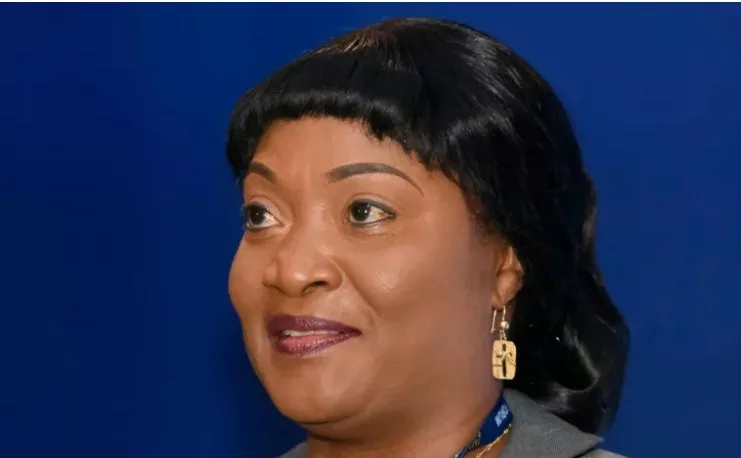
For much of the last decade, counterterrorism strategy across the Sahel rested on a single working assumption: extremist groups wanted mobility, not territory. Strike, withdraw, disperse, and strike again. According to Professor Kwesi Aning, a security consultant and former Director of Research and Academic Affairs at the Kofi Annan International Peacekeeping Training Centre, that assumption has quietly failed.
Speaking at a public dialogue in Accra convened by the One Ghana Movement and the Ghana Armed Forces Command and Staff College, Aning argued that armed groups in Mali, Burkina Faso, and Niger have shifted their strategic logic entirely. "They no longer only want to attack the state," he said. "They want to replace it."
The distinction matters because it changes what these groups are actually fighting for, and therefore how states must respond. An insurgency seeking mobility can be contained through patrol, denial, and disruption. A movement seeking territorial control requires something closer to state building in reverse: contesting taxation, service delivery, and local legitimacy in places where government presence has thinned or disappeared entirely.
Aning pointed to Mali as the clearest case. Groups including Jama'at Nusrat al Islam wal Muslimin and Islamic State affiliates have demonstrated what he described as increasing operational sophistication and logistical capability, coordinating multi front attacks while directly challenging state authority. Reports of high level targeting, including attacks reaching senior political and security leadership, and the issuing of symbolic bounties against state officials, reflect a posture that goes beyond disruption. It is a contest over who governs.
In Burkina Faso, a parallel pattern has taken hold. Tactics attributed to JNIM and the Islamic State in the Greater Sahara have evolved into coordinated raids and improvised explosive device attacks designed to capture weapons, fuel, and vehicles, sustaining operations that increasingly resemble logistics for an occupying force rather than hit and run campaigns. Humanitarian convoys have been targeted as well, compounding a crisis that already strains civilian life.
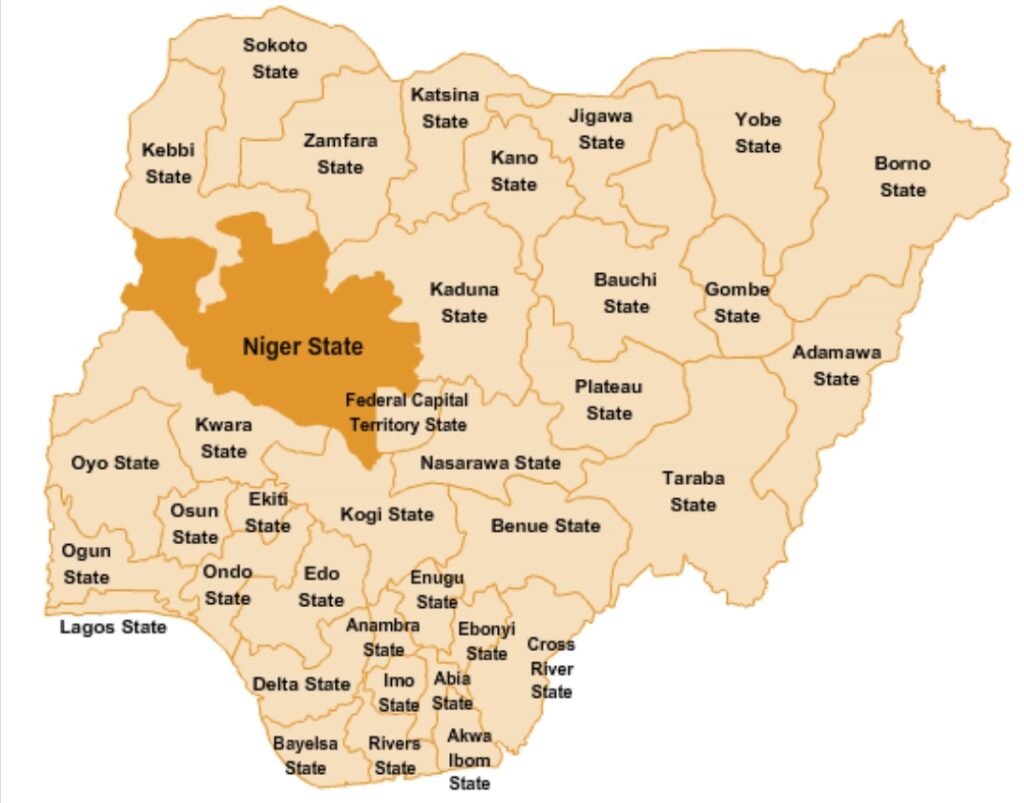
Niger presents a related but distinct signal. Twice in 2026, the country's airport has come under attack, claimed by Islamic State in the Sahel Province, even as the state continues military operations in and around the capital, Niamey. Airports are strategic infrastructure and symbols of state capability at once. Striking one twice in a single year is not incidental.
The shift from mobility to territory carries a specific warning for countries bordering the Sahel, Ghana included. A group seeking to strike and vanish can, in principle, be pushed back across a border. A group seeking to govern is building something more durable: local relationships, revenue streams, and a claim to legitimacy that does not disappear when a patrol passes through.
This is Aning's interpretive framing, offered as expert analysis rather than settled fact, but it was not challenged by other speakers at the event, including Lieutenant General William Anyimpon, Ghana's Chief of Defence Staff, who separately described the country's northern frontier as sitting within a zone of active planning concern rather than passive risk.
The practical implication, as Aning framed it, is that counterterrorism responses built solely around border denial and military patrol may be insufficient against an adversary contesting governance itself. Community resilience, local trust in state institutions, and the presence of functioning services in border regions become as relevant to security planning as troop deployments.
Aning extended this argument into a broader critique of how external actors have responded to Mali's crisis. Years of bilateral security assistance and multilateral stabilization programming, he said, produced a narrow set of measurable results, chief among them a reduction in refugee flows toward Western Europe, while the deeper goals of institutional strengthening and durable peace remained largely unmet.
The lesson he drew from this was directed as much at Ghana's own policymakers as at any external partner: responses to violent extremism that emphasize external drivers while underweighting internal dynamics of fragility are likely to repeat Mali's disappointments. A group that wins legitimacy locally cannot be defeated by force alone.
What emerges from Aning's analysis is not a prediction that Ghana faces imminent territorial contest from extremist groups. It is a warning that the model of threat Ghana has planned against, mobile, transient, primarily military, no longer matches the model of threat actually metastasizing along its northern approaches. Understanding that distinction, ARN understands from those present at the dialogue, is now treated within Ghana's security establishment as a starting point for planning rather than an academic footnote.
This is the second in a three part ARN series examining West Africa's shifting security landscape. Part one examined what the Sahel's trajectory means for Ghana's northern frontier. Part three turns to Ghana's other, less discussed security frontier: the Gulf of Guinea.


.png)
Stay informed with the latest African media trends, job opportunities, and development news. Connecting Africa with global media and development partners.
.webp)



.avif)
.png)

.png)