.png)


A presentation at the second IDF Africa Regional Dairy Conference in Nairobi delivered a finding that challenges the dominant framework of African dairy policy. Researcher Olusegun Tunmise Oloruntobi, examining dairy systems across North, West, East, and Southern Africa using fifteen standardised parameters from the International Farm Comparison Network, found that only one variable consistently explained the differences between regions: per capita consumption of dairy products.
This matters because African dairy policy has historically been constructed around production. More cows, better breeds, improved feeds, stronger cold chains. These interventions assume that supply is the binding constraint. What Oloruntobi's analysis suggests is that demand, specifically how much dairy people actually consume, is the more decisive factor in determining whether a dairy sector develops at all.
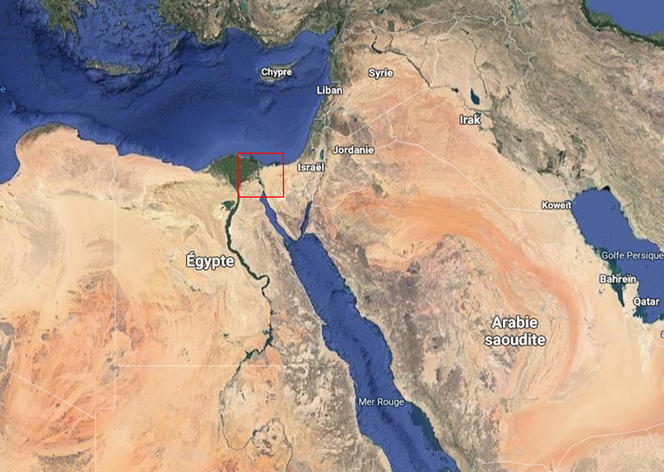
North Africa offers the clearest supporting evidence. Algeria, Egypt, and Morocco have the highest per capita dairy consumption on the continent. They also have the most developed dairy sectors. The causal relationship runs in both directions, but the mechanisms that sustain high consumption in these countries, government subsidies, price controls, strategic imports, and long-standing dietary traditions, are primarily demand-side policies. Governments made deliberate choices to keep dairy affordable and available, which sustained demand, which justified investment, which built out supply capacity.
In much of West, East, and Southern Africa, the cycle operates in reverse. Low purchasing power, inadequate cold chain infrastructure, weak market access, and in some cases dietary preferences that do not strongly favour dairy, keep per capita consumption low. Low demand reduces the economic justification for investment in processing and distribution. Without investment, prices remain high relative to incomes, which suppresses demand further. The sector does not develop because neither side of the market is large enough to justify the other.
The nutritional stakes here are concrete. Livestock-sourced foods deliver high-quality protein, essential fats, vitamins, and minerals that are difficult to replicate from staple crops. For children in the critical developmental window, for pregnant and lactating women, and for adolescents, regular dairy access has measurable effects on growth, cognitive development, and overall health outcomes. The regions with the lowest dairy consumption are not generally the regions with the best access to alternative nutrient-dense foods.
What is not being said openly in this discussion is that the production-first approach to African dairy has also served the interests of international livestock genetics and feed companies, who benefit when the conversation centres on improving herd productivity rather than market access or affordability. Consumption-driven approaches require different instruments: school milk programmes, social protection schemes that include food, price stabilisation mechanisms, and investment in shelf-stable and affordable product formats. These require stronger state involvement and sustained political commitment rather than one-time infrastructure investments.
The practical implications of reframing Africa's dairy challenge around demand rather than supply are considerable. It means that increasing consumption among low-income households, not improving herd genetics, should be the primary policy objective. It means measuring dairy sector success by whether ordinary people are drinking and eating more dairy products, not by whether production figures are rising in ways that benefit only processors and large-scale farmers.
Whether African governments will absorb this shift in emphasis is an open question. The 2nd IDF Africa Regional Dairy Conference created a platform for it. Whether it translates into the kind of deliberate, sustained policy prioritisation that North Africa has demonstrated will depend on political will that research papers alone cannot generate.


.png)
Stay informed with the latest African media trends, job opportunities, and development news. Connecting Africa with global media and development partners.