.png)


Off the coast of Guinea-Bissau, the most consequential activity is not happening on land. It is happening far beyond the shoreline, where industrial vessels operate with a level of autonomy that makes traditional oversight almost irrelevant. These ships do not behave like conventional fishing boats. They do not need to return to port. They do not depend on local infrastructure. And increasingly, they do not contribute to the domestic economy in ways that matter.
Often described as floating fish factories, these vessels catch, process, freeze, and store fish entirely at sea. What once required a network of ports, workers, processors, and exporters is now consolidated into a single offshore operation. The result is efficiency at scale. But that efficiency comes with a cost that is not immediately visible from the coast.
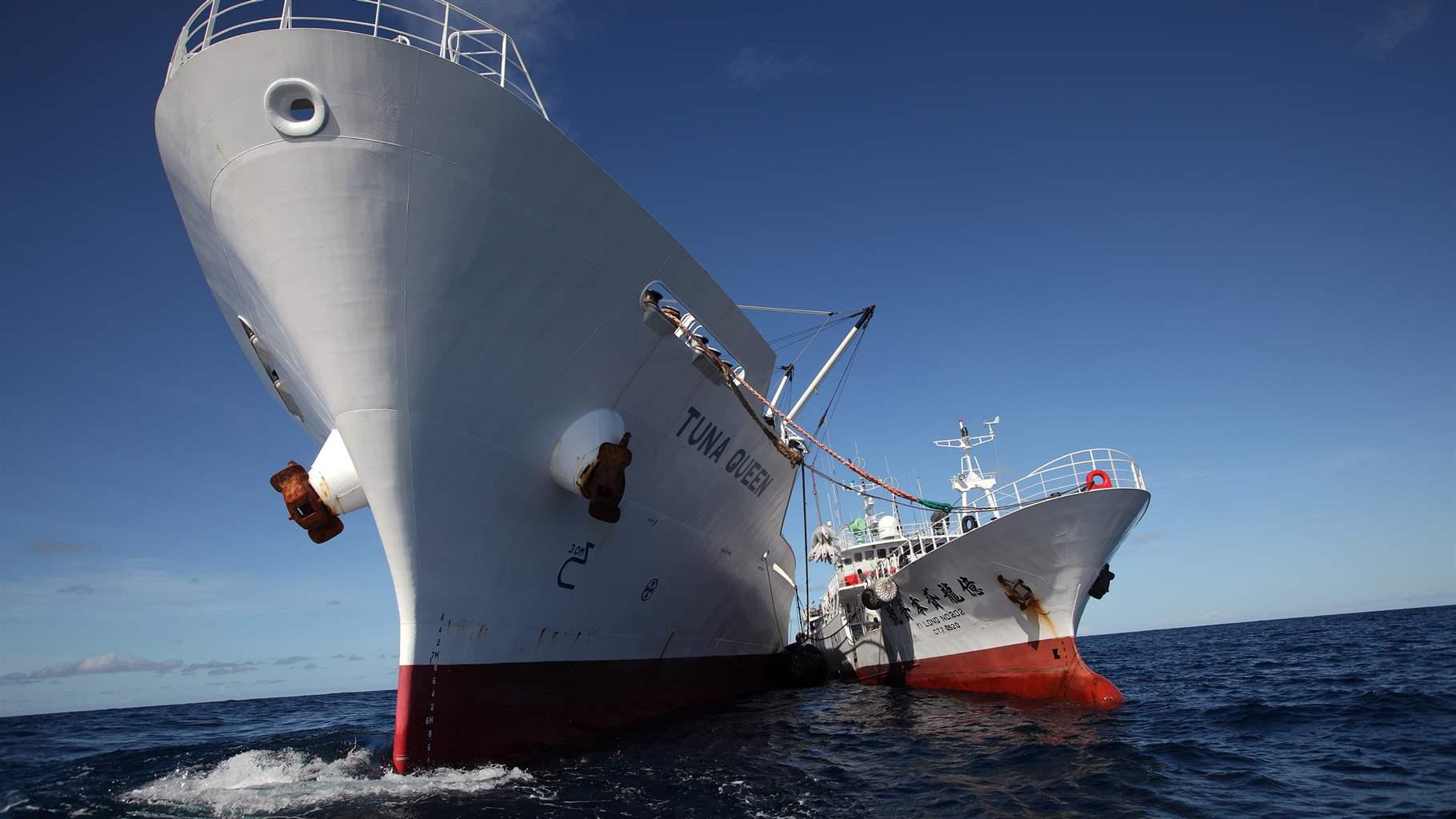
At the center of this system is a practice known as transshipment. Fishing vessels offload their catch to refrigerated cargo ships, allowing them to remain at sea for extended periods. These cargo vessels then transport the frozen fish directly to international markets, bypassing local ports entirely.
This is where the economics shift. When fish are not landed, they are not taxed, processed, or integrated into local supply chains. The entire downstream value chain is effectively removed. What remains within the country is often limited to licensing fees, which represent only a fraction of the total value generated.
The system is not accidental. It is designed for continuity. By removing the need to dock, it reduces regulatory exposure and maximizes operational time. For countries with limited maritime surveillance capacity, monitoring such activity becomes exceptionally difficult.

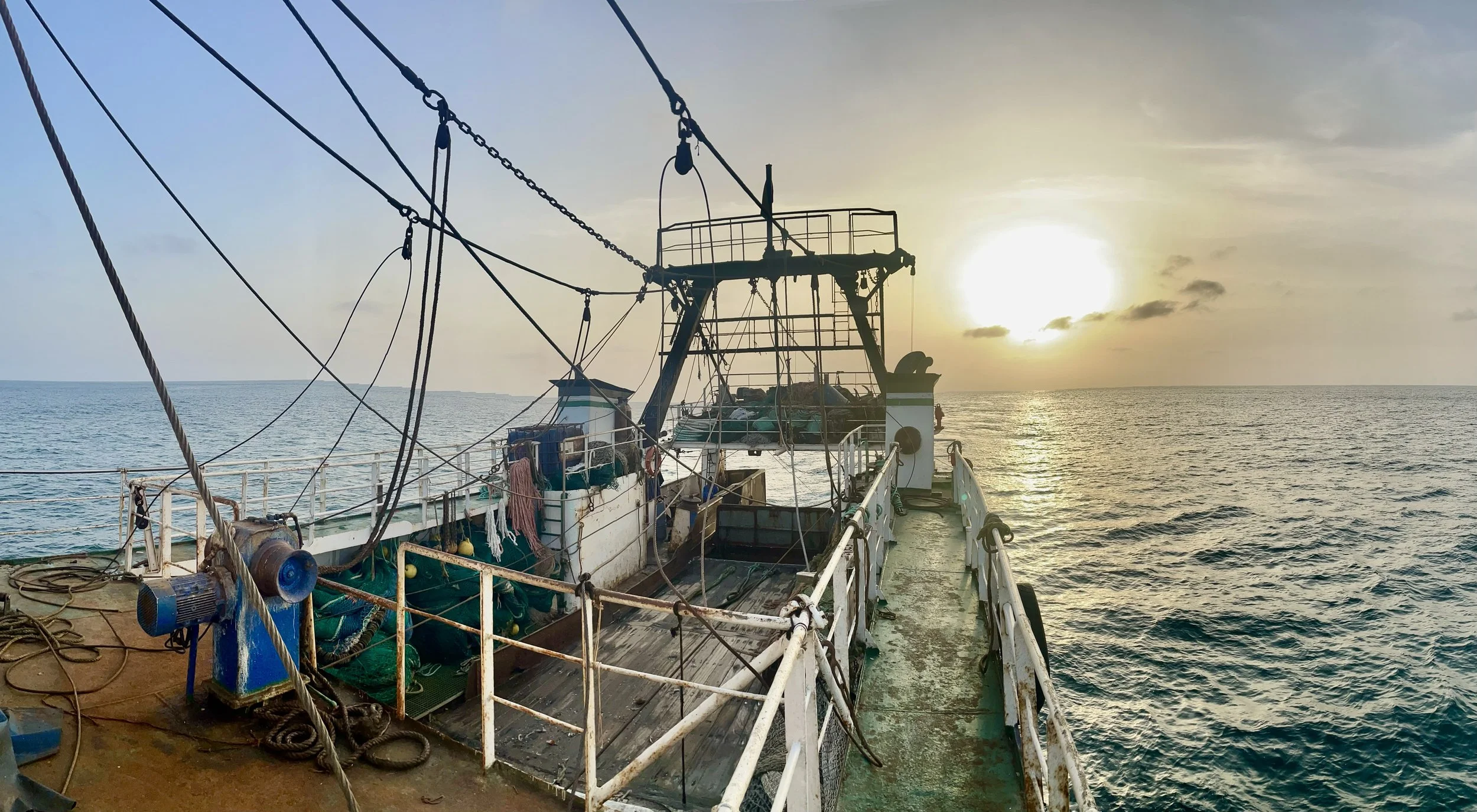
For local fishing communities, the effects are direct. Artisanal fishers, who depend on predictable fish stocks and accessible waters, are encountering declining yields. Trips that once produced sufficient catch now require longer distances and greater risk.
The imbalance is structural. Industrial fleets operate with advanced equipment, large storage capacity, and the ability to fish continuously. Small-scale fishers operate within natural limits, constrained by boat size, fuel, and time. When both systems draw from the same ecosystem, the outcome is not competitive. It is displacement.
This is not only an economic issue. It is a food security issue. In many coastal communities, fish is a primary source of protein. As access declines, so does nutritional stability.
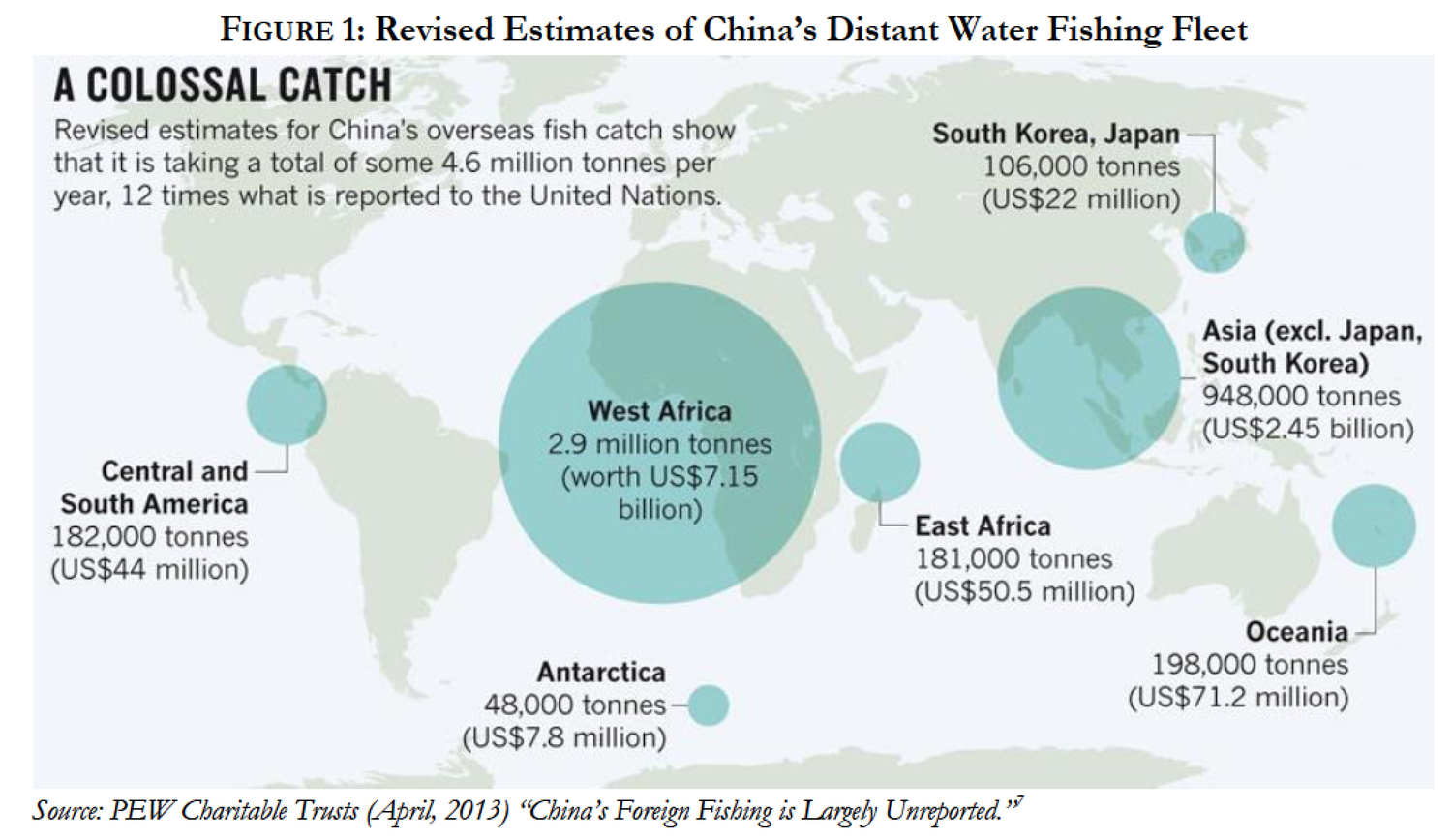
Much of this activity is linked to distant-water fleets associated with China, which operates one of the largest fishing presences globally. But the issue extends beyond any single country. It reflects a broader system where capital, logistics, and demand converge to enable continuous extraction.
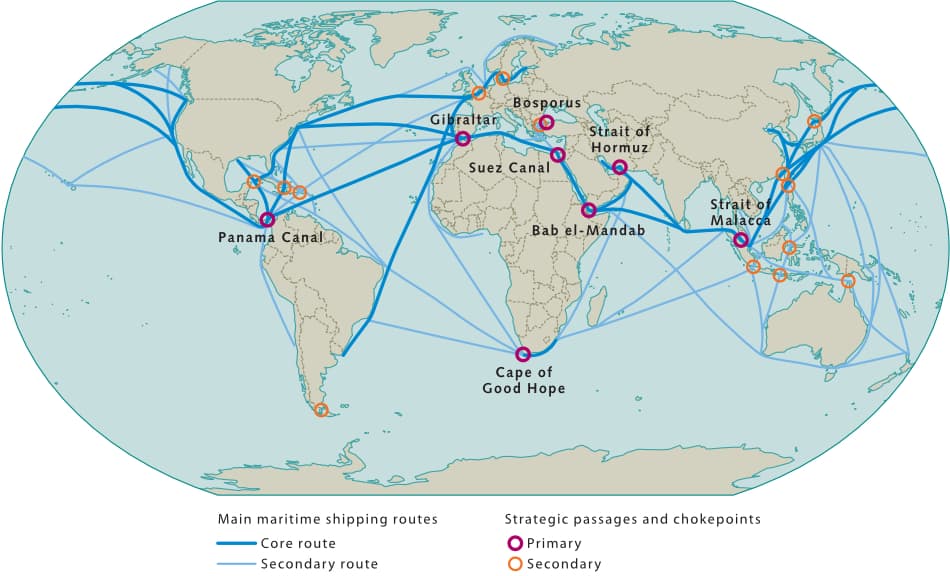
The infrastructure is what defines power. Fleets are supported by financing, supply chains, and global distribution networks that ensure what is caught at sea is quickly integrated into international markets. This level of coordination allows operations to scale in ways that local systems cannot match.
For Guinea-Bissau, this creates an asymmetry. The country owns the resource within its waters. But ownership without operational capacity does not guarantee control over outcomes.
At its core, this is a question of sovereignty. Not in the formal sense of borders and jurisdiction, but in the practical sense of who captures value.
When extraction happens offshore and value is realized elsewhere, control becomes fragmented. The resource is local. The benefit is not.
This pattern is familiar across multiple sectors. Raw materials leave. Value is created elsewhere. But in fisheries, the timeline is compressed. Marine ecosystems can be depleted faster than they can recover. Once stocks decline beyond sustainable levels, rebuilding them is slow and uncertain.
For policymakers, the challenge is not only to regulate access, but to rethink the structure of agreements and enforcement mechanisms. Without investment in monitoring, regional coordination, and domestic processing capacity, the gap between ownership and control will continue to widen.
The longer such systems operate, the harder they are to reverse. Infrastructure creates dependency. Agreements create precedent. Markets adjust to supply chains that no longer include local economies.
By the time the imbalance becomes fully visible, the system is already embedded.
Guinea-Bissau is not an isolated case. It is an early signal of a broader shift in how marine resources are controlled and monetized. What is being tested in its waters is not just a model of fishing. It is a model of extraction without integration.
And once that model stabilizes, the question is no longer who owns the resource.
It is who defines its value.


.png)
Stay informed with the latest African media trends, job opportunities, and development news. Connecting Africa with global media and development partners.