.png)


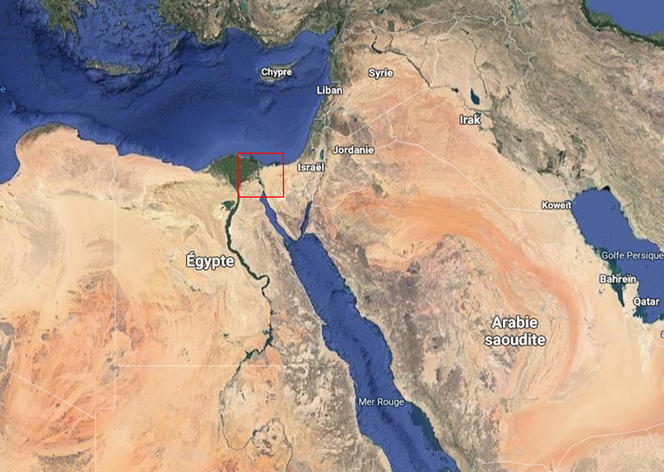
On 3 June 2026, United Nations human rights experts issued a formal warning about the resurgence of the Ebola virus in the Democratic Republic of Congo and Uganda, highlighting that the epidemic is most pronounced within or near the territories of Indigenous Peoples. The statement, issued through the Office of the High Commissioner for Human Rights, called on states and international agencies to ensure equitable and non-discriminatory healthcare access, and to tailor response strategies specifically to communities whose way of life, mobility patterns, and geographic isolation place them at elevated risk.
The experts drew particular attention to Pygmy Indigenous Peoples in the affected regions. These communities are described as mobile, closely connected to their territories and natural resources for subsistence and identity, and structurally excluded from formal health services. Structural exclusion is the operative phrase here. It refers not to the absence of healthcare infrastructure in an absolute sense, but to its design and deployment in ways that systematically fail mobile, forest-based, or otherwise non-sedentary populations.
Ebola is a disease whose transmission dynamics make community-level trust decisive. Containment depends on contact tracing, voluntary quarantine, safe burial practices, and community cooperation with health workers. All of these require the kind of relationship between institutions and populations that takes years to build and can be destroyed in a single mismanaged response. In Indigenous communities where historical interactions with outside authorities have often meant dispossession, displacement, or coercive intervention, that trust is typically thin.
The WHO declaration of a public health emergency of international concern triggers mobilisation of resources, but it also triggers the kind of centralised, institution-led response machinery that often performs well in urban and peri-urban settings while struggling to reach communities it has no existing connection to. Vaccination campaigns require supply chains that reach remote areas. Treatment centres require patients who trust them. Contact tracing requires communities willing to disclose their movements and social networks. Each of these is harder to achieve where the health system has no prior presence and where the communities involved have reason to be cautious.
The UN experts called on states to integrate Indigenous Peoples' rights — specifically rights to health, equal protection, and cultural identity — into response strategies. This is a legal and normative demand, and an important one. But it also requires implementation capacity that is currently absent. Many of the states most affected by Ebola outbreaks have health systems that are themselves underfunded and geographically uneven. Asking them to build culturally competent, mobile-responsive, rights-aligned emergency health services in the middle of an active outbreak is asking them to do in months what would take years under normal conditions.
What is not being said with sufficient urgency is that the pattern being described — marginalised communities experiencing disproportionate impact from a health crisis while institutional responses fail to reach them — is not specific to Ebola or to 2026. It is the structural condition of health inequality across much of Central and East Africa, made temporarily visible by the severity of an outbreak. When the outbreak recedes, so will the attention. The underlying exclusion will remain.


.png)
Stay informed with the latest African media trends, job opportunities, and development news. Connecting Africa with global media and development partners.