
.png)


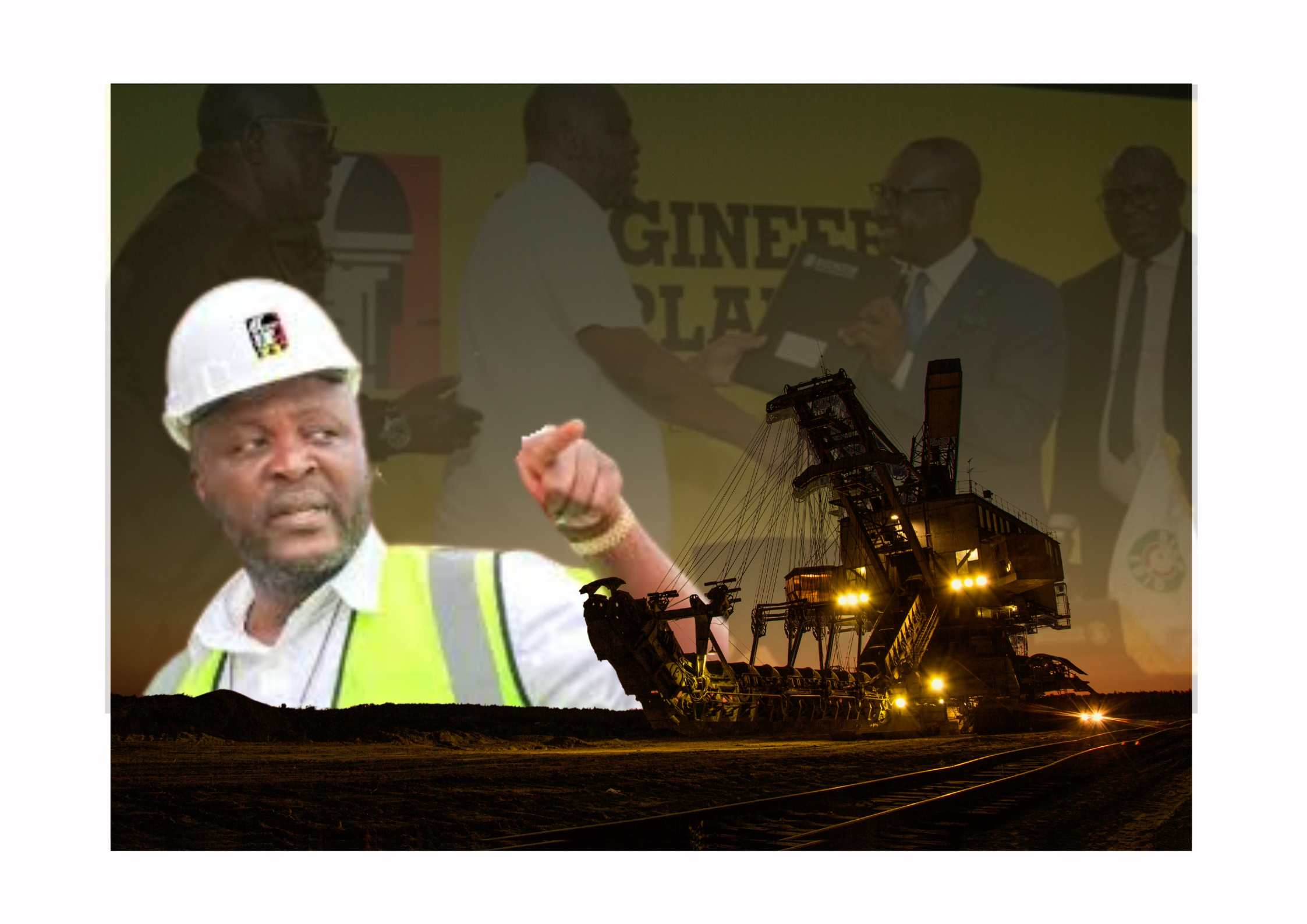
Nigeria’s Securities and Exchange Commission has approved the initial public offering of Dangote Petroleum Refinery. The company plans to sell 4.1 billion shares at N525 each, potentially raising about N2.15 trillion, or roughly $1.6 billion, in what Reuters says would be Africa’s largest ever share sale.
After years of speculation, Dangote Petroleum Refinery is finally moving towards the public market.
Nigeria’s Securities and Exchange Commission has approved the refinery’s initial public offering, clearing the company to sell 4.1 billion ordinary shares at N525 each. If the offer is fully subscribed, the company could raise about N2.15 trillion, equivalent to roughly $1.6 billion.
The order book is expected to open around September 14.
The approval is significant because it moves the transaction beyond discussion and into execution. Only a few months ago, Nigeria’s SEC was warning investors against unauthorised advertisements and advance subscriptions linked to a Dangote Refinery public offer because no application had yet been filed or approved. That regulatory position has now changed.
For Nigeria’s capital market, this is a very large deal.
For Dangote, it is even bigger.
The refinery was built at a cost of about $20 billion and has a nameplate capacity of 650,000 barrels per day.
At the approved IPO price, Reuters estimates the refinery’s total equity value at about $47 billion after the registration of 120.13 billion existing shares.
That immediately gives investors something to think about.
The refinery is one of the most important industrial investments ever undertaken in Africa. It has already changed Nigeria’s fuel market and reduced the country’s long dependence on imported refined petroleum products.
But a $47 billion valuation also places a very high price on those future expectations.
Investors will therefore not only be buying into the scale of the refinery. They will be buying into the belief that Dangote can continue increasing production, secure crude reliably, maintain refining margins and turn the business into one of Africa’s most profitable industrial companies.
That is where the real test begins.
Dangote has made it clear that the current refinery is not the end of the story.
The company wants to increase capacity from 650,000 barrels per day to about 1.4 million barrels per day. If achieved, that would put the facility among the largest refining complexes in the world.
The refinery has already tested production above its original nameplate level, and Dangote has been telling investors that the next phase of expansion is central to his ambition for the business.
That means the IPO should not be viewed simply as a chance for existing owners to sell shares.
It is also part of a broader capital raising strategy.
The company has already secured underwriting support ahead of the offer, and Dangote has consistently argued that African investors should have the opportunity to own part of the refinery and participate directly in the continent’s industrial growth.
The refinery IPO matters because African industrial projects of this scale are still rare.
For decades, much of Africa’s natural resource economy has been built around exporting raw commodities and importing the finished products.
Nigeria exported crude oil and imported petrol.
That arrangement cost the country foreign exchange, exposed it to global supply disruptions and created a contradiction that many Africans had become accustomed to.
One of the world’s major crude oil producers could not refine enough fuel for its own people.
Dangote Refinery was built to challenge that model.
The IPO now introduces another question.
Can African capital markets also play a bigger role in financing African industrialisation?
That is important.
Large African infrastructure and industrial projects have traditionally depended heavily on foreign lenders, multinational investors and international financial institutions.
If this offer succeeds, it will demonstrate that domestic and African investors can also provide very large pools of capital for industrial assets on the continent.
That may prove to be as important as the refinery itself.
The size of the offer will naturally generate excitement.
Africa’s richest man is putting part of Africa’s biggest refinery on the market.
But public markets are different from private ownership.
Once investors buy shares, they will expect regular disclosure, clear governance, audited performance and returns.
The refinery will have to justify its valuation.
Analysts cited by Reuters have already questioned how the roughly $47 billion implied value compares with listed international refiners.
That comparison does not automatically mean Dangote is overpriced.
The Nigerian refinery has advantages that many overseas refiners do not have.
It sits inside Africa’s most populous country.
It serves a huge domestic fuel market.
It is strategically located close to major Atlantic shipping routes.
It can potentially export refined products across West Africa and beyond.
It also operates in a region where many countries still depend heavily on imported petroleum products.
Those advantages have value.
But investors will still want to know whether the numbers support the price.
The importance of Dangote Refinery to Nigeria goes well beyond the company’s shareholders.
The refinery affects the country’s foreign exchange demand, fuel supply, crude oil allocation, petroleum imports and broader energy policy.
If it performs well, Nigeria could strengthen its position as both a crude producer and refined product exporter.
If it struggles, the consequences would be felt across the economy.
That is why the IPO raises an interesting question about concentration.
Dangote Group is already a major player in cement, sugar, fertiliser and other industries.
The refinery now occupies a strategic position in Nigeria’s energy economy.
A public listing gives more investors access to the business, but it also underlines just how much of Nigeria’s industrial transformation is being driven by one corporate group.
That should not automatically be seen as a problem.
It should, however, make strong regulation and transparency even more important.
The offer is expected to attract interest well beyond Nigeria.
Dangote has previously said he wants Africans to participate in the refinery’s ownership, and there has already been strong institutional interest in the business.
If the IPO is successful, it could become a landmark transaction for African capital markets.
It would show that a project built in Africa, serving African consumers and designed around African industrial needs can attract capital at a scale usually associated with much larger global markets.
That is the opportunity.
But the size of the refinery should not distract from the investment discipline required.
The question for investors is not whether Dangote Refinery is impressive.
It clearly is.
The question is whether its future earnings justify what investors are being asked to pay today.
Africa has spent decades asking how it can build more large scale industries of its own.
Dangote has already built one.
Now the market gets to decide what it is worth.


.png)
Stay informed with the latest African media trends, job opportunities, and development news. Connecting Africa with global media and development partners.

.png)
.avif)

.webp)

.avif)
.png)