.png)


When Ghana's LGBTQ bill returned to the national spotlight, many people assumed the argument would focus on sexuality.
It hasn't.
Instead, the debate has evolved into something much bigger.
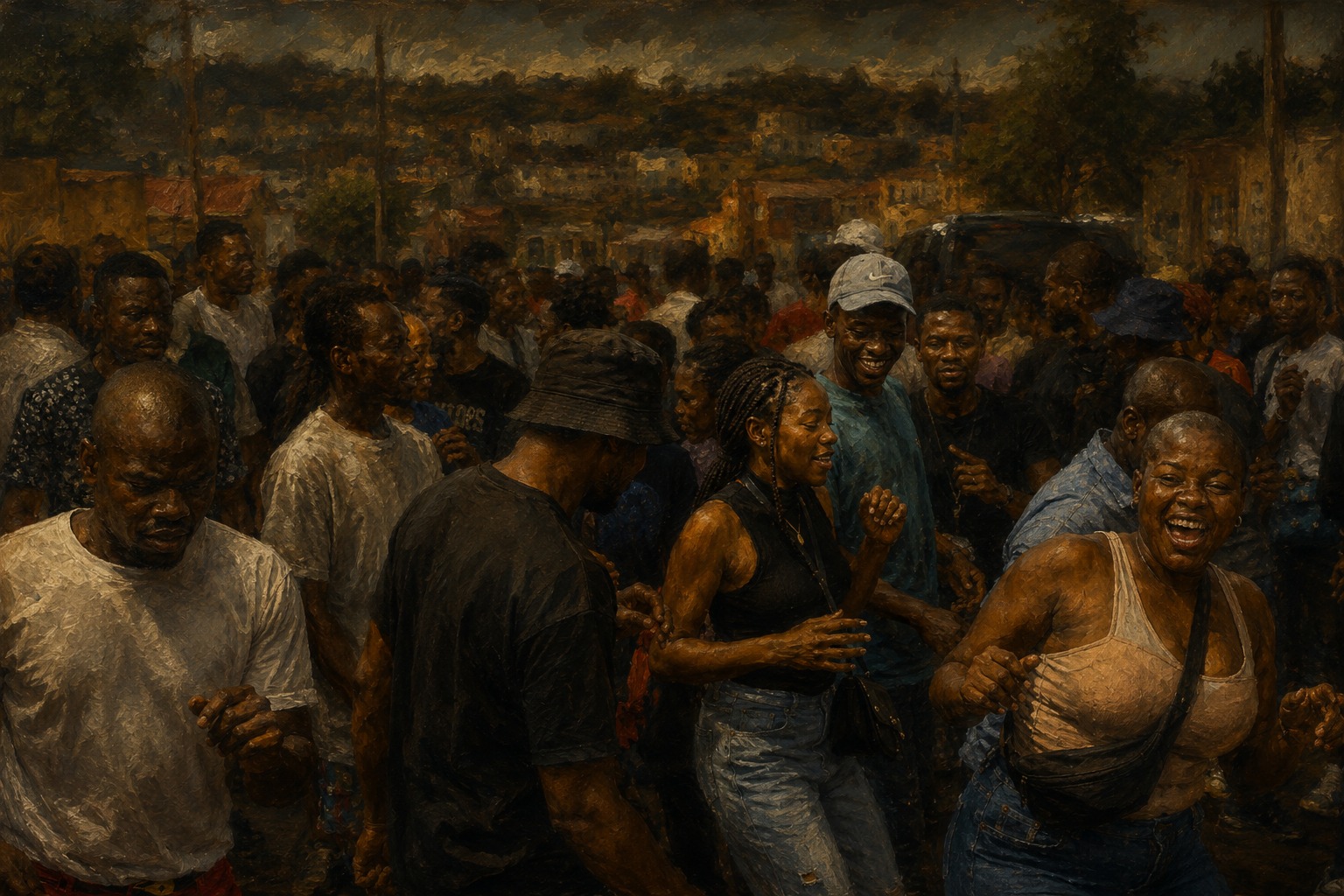
It has become a conversation about culture.
About rights.
About democracy.
About religion.
About sovereignty.
And ultimately, about who gets to define African values.
The bill may be Ghanaian.
But the questions it raises belong to the entire continent.
For supporters, the bill is about protecting values they believe have shaped Ghanaian society for generations.
Many argue that culture is not something a nation inherits automatically.
It must be defended, preserved, and passed on.
They see the legislation as an attempt to protect social norms that most Ghanaians continue to support.
Critics see the issue differently.
They argue that the true test of a democracy is not how it treats the majority, but how it treats those who hold unpopular views.
From their perspective, rights exist precisely because majorities can sometimes be wrong.
Both sides believe they are protecting something important.
One side says it is culture.
The other says it is freedom.
This is where the debate becomes complicated.
If most citizens support a particular position, should the law reflect that position?
Many people would answer yes.
That is how democracy works.
Yet democracies are also expected to protect the rights of minorities.
Many people would answer yes to that too.
The challenge is that these two principles can sometimes collide.
When they do, which should come first?
Majority rule?
Or individual rights?
There is no answer that satisfies everyone.
And that is precisely why the debate continues.
The conversation becomes even more complex when one asks a simple question:
Who actually defines African values?
Governments?
Religious leaders?
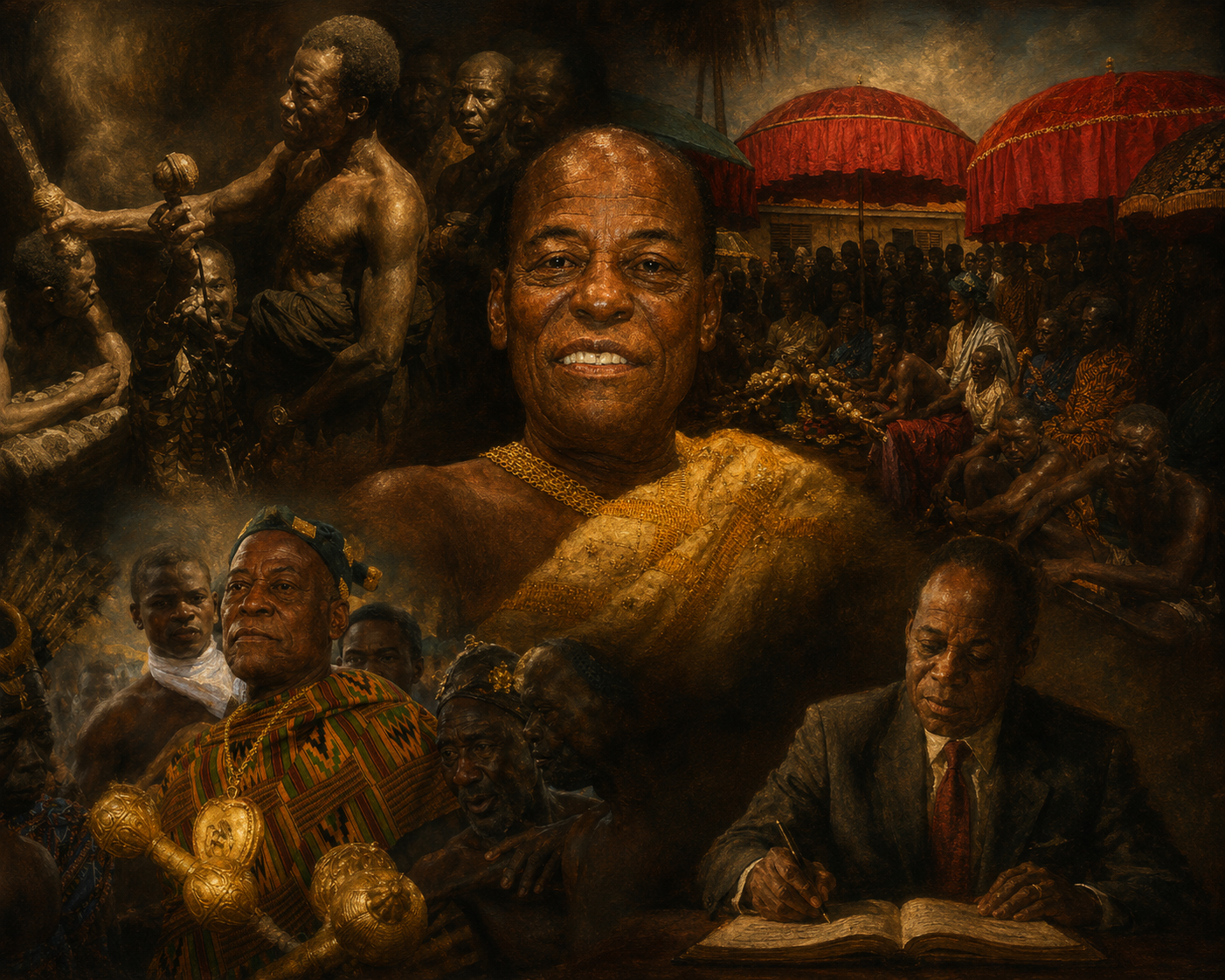
Traditional authorities?
Young people?
Parents?
Universities?
The African diaspora?
Ordinary citizens?
The answer is not obvious.
Africa is home to more than 1.5 billion people.
It contains thousands of ethnic groups, languages, traditions, and belief systems.
There is no single African culture.
There is no single African voice.
And yet everyone speaks about African values as if they are universally agreed upon.
Perhaps they are not.
Perhaps the debate itself is proof that Africa is still negotiating its identity.
No discussion of this issue is complete without acknowledging the role of Western influence.
For many supporters of the bill, the concern goes beyond sexuality.
They believe powerful governments, international institutions, advocacy groups, media organizations, and donor agencies often attempt to influence how African societies should think about social issues.
To them, the debate raises an uncomfortable question:
If Africa is politically independent, should it not also have the right to decide its own moral and cultural direction?
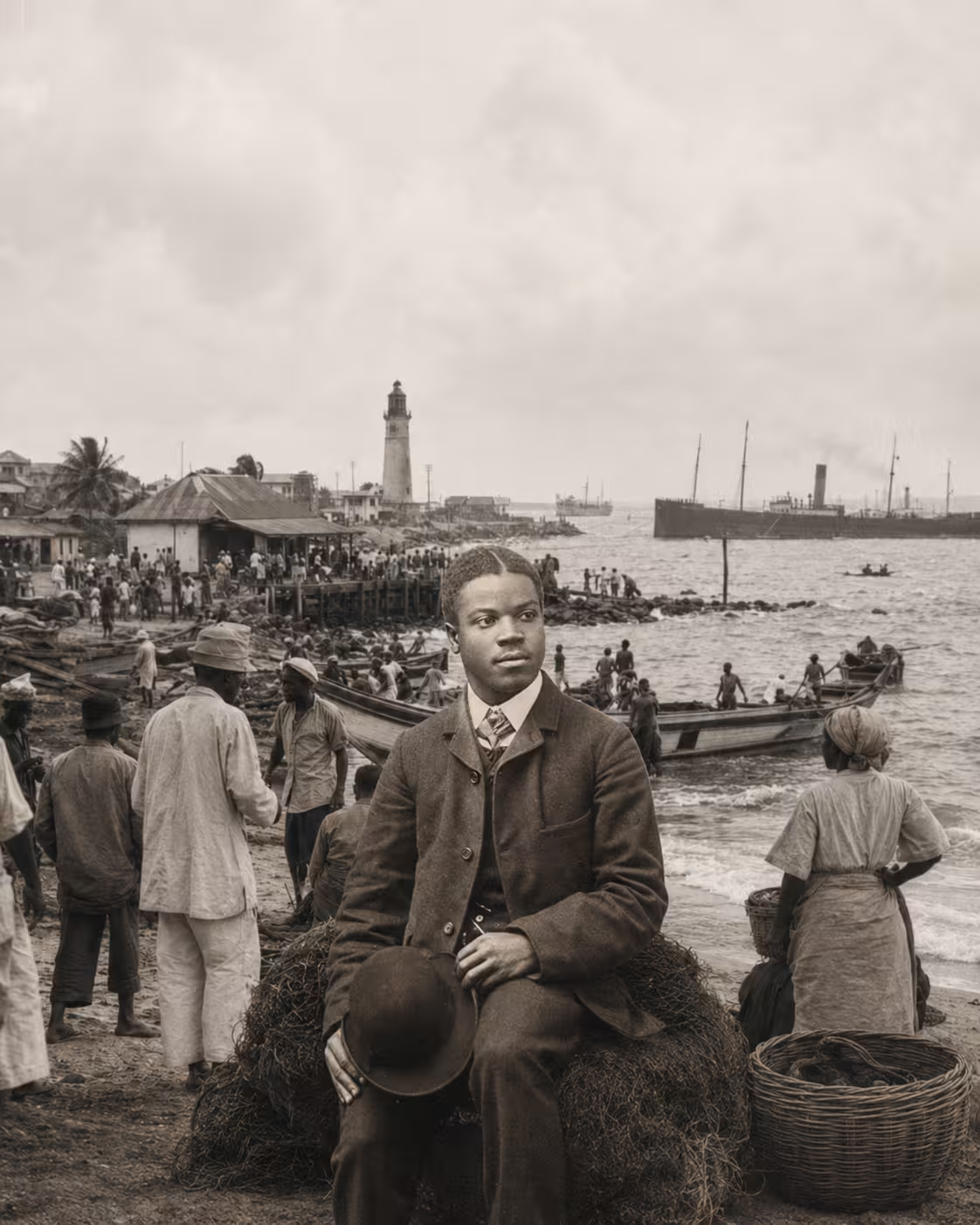
Many Africans view this concern through the lens of history.
Colonial rule did not simply control territory.
It also shaped education systems, laws, religion, language, and political institutions.
As a result, conversations about foreign influence often trigger deeper concerns about sovereignty and self-determination.
Yet the story is more complicated than that.
Critics of the bill often point out that many laws criminalizing same-sex relationships in Africa were themselves introduced during the colonial era.
In other words, both sides frequently accuse the other of defending imported ideas.
One side argues that modern LGBTQ activism reflects foreign cultural influence.
The other argues that many anti-LGBTQ laws originated from foreign legal systems.
The irony is striking.
Both sides claim they are defending Africa from external influence.
Both sides claim to be protecting authentic African values.
And both sides appeal to history to support their arguments.
Another force shaping the debate is generational change.
Africa is the youngest continent in the world.
Millions of young Africans consume global content every day through social media, music, films, education, and digital platforms.
Their experiences are often very different from those of their parents and grandparents.
Some embrace global ideas about identity and personal freedom.
Others embrace tradition with equal passion.
Many attempt to combine both.
As a result, the debate is not simply taking place between Africa and the outside world.
It is also taking place within African families, communities, churches, mosques, universities, and workplaces.
The future is being negotiated in real time.
The debate surrounding Ghana's LGBTQ bill may continue for months or even years.
Courtrooms may become involved.
Politicians will continue arguing.
Activists will continue campaigning.
Religious leaders will continue speaking.
But long after the legal arguments fade, a larger question will remain.
Who gets to define African values?
The answer will not come from one parliament.
One president.
One church.
One activist group.
Or one foreign government.
It will emerge from an ongoing conversation among Africans themselves.
Because at its core, this debate is not really about one bill.
It is about who gets to decide what Africa becomes.

.png)
Stay informed with the latest African media trends, job opportunities, and development news. Connecting Africa with global media and development partners.
)%20(2).jpg)
.png)
.png)
)%20(4).jpg)
.avif)
.webp)