
.png)


Africa has always told itself a powerful story.
A continent of shared ancestry.
A continent of common struggles.
A continent that survived slavery, colonialism and exploitation and emerged with one message:
Africa belongs to Africans.
But beneath the speeches, the flags and the promises of unity lies a reality that many Africans know but rarely discuss openly.
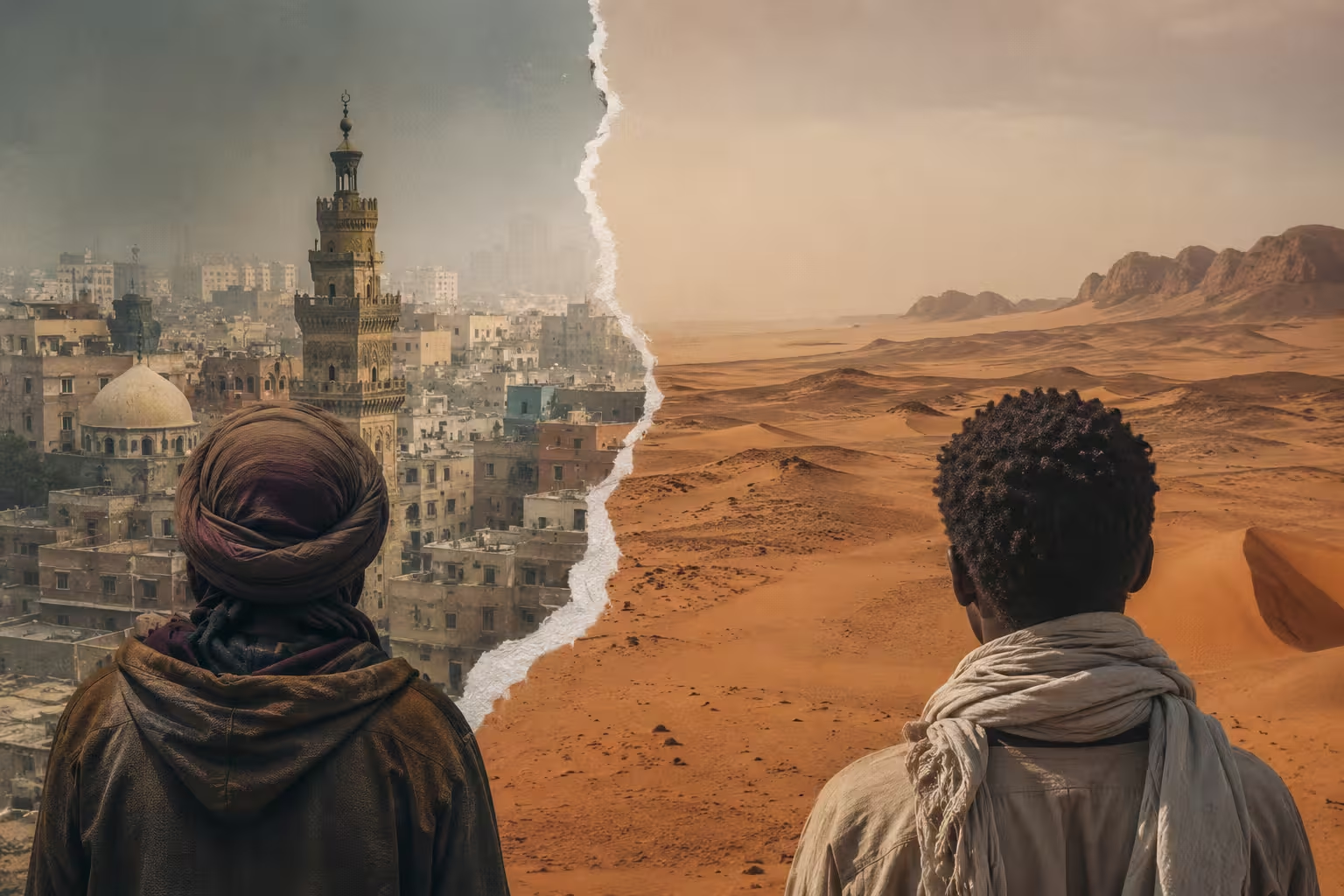
Africa is not only divided by the borders Europeans drew.
It is divided by the borders Africans have built in their own minds.
Because before an African can ask whether the world respects Africa, another question must be confronted:
Do Africans always respect each other?
A person from West Africa may arrive in North Africa expecting a shared continental identity, only to discover that the word "African" can mean something different depending on where they stand.
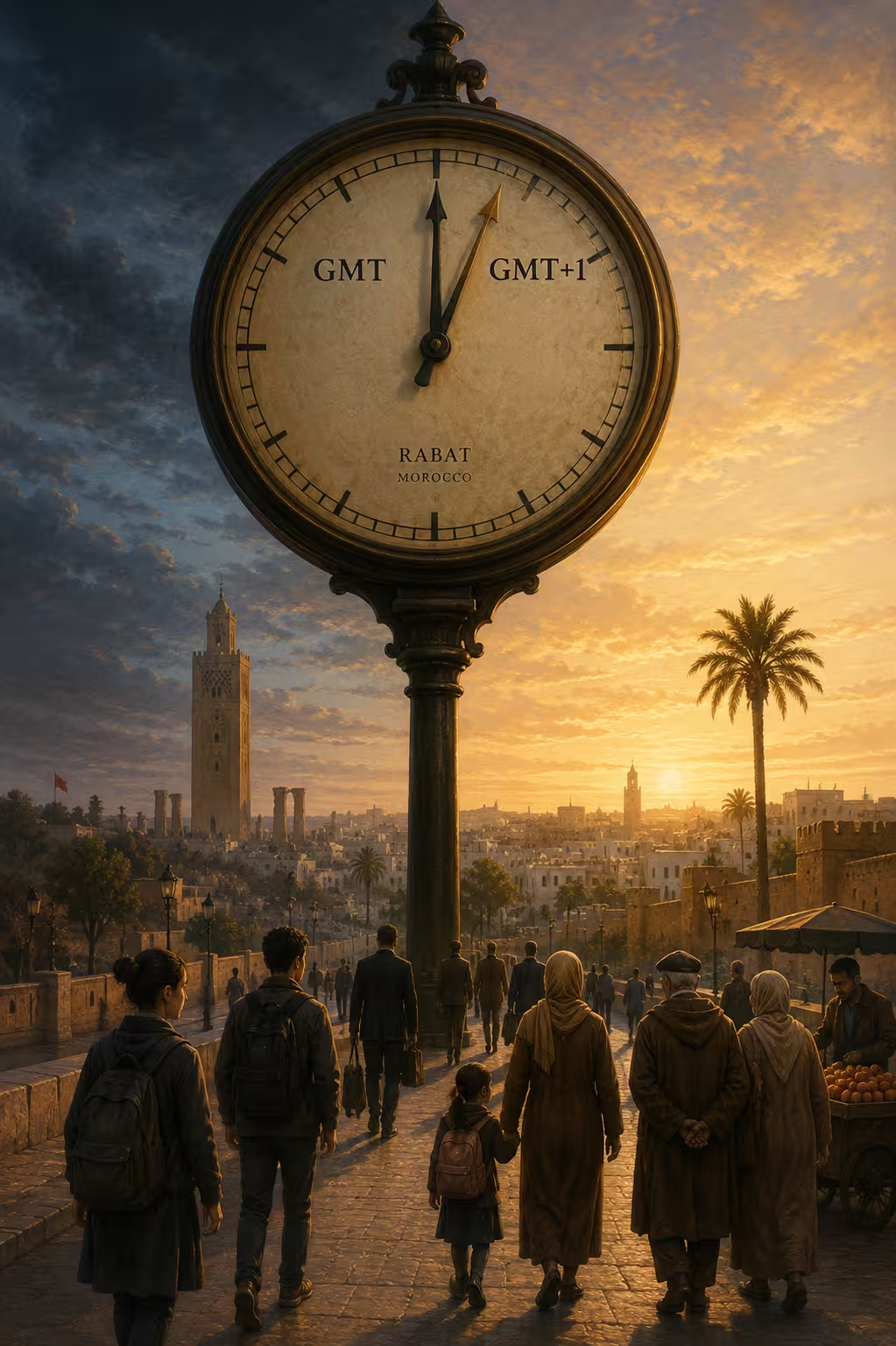
For some North Africans, identity has historically been shaped by Arab, Amazigh, Mediterranean and Islamic heritage as much as by African geography.
For some sub-Saharan Africans, this creates a difficult question:
"Why do some Africans appear to distance themselves from Africa?"
The answer is complicated.
History, colonial influence, race, language and culture have created identities that do not always fit neatly into the categories others expect.
But the distance is real.
In the Atlantic islands, identity takes another form.
Countries such as Cape Verde carry African roots, but also Portuguese colonial history, Creole culture and centuries of connection across the ocean.
Some outsiders question whether island societies see themselves as African first.
Some islanders reject that criticism and argue that Africa is not one single experience.
The question becomes uncomfortable:
Who has the authority to decide what an African identity should look like?
Further south, economic power creates another invisible ranking.
In parts of the continent, nationality can determine how a person is treated before their character is known.
The Nigerian entrepreneur may be admired for business success but also viewed through stereotypes of dominance, competition or criminality.
The South African may take pride in living in one of Africa's most industrialized economies while struggling with fears about migration, jobs and security.
The result is a complicated relationship between two of Africa's most influential societies—one shaped by admiration, rivalry, opportunity and resentment.
In East Africa, history creates its own sense of identity.
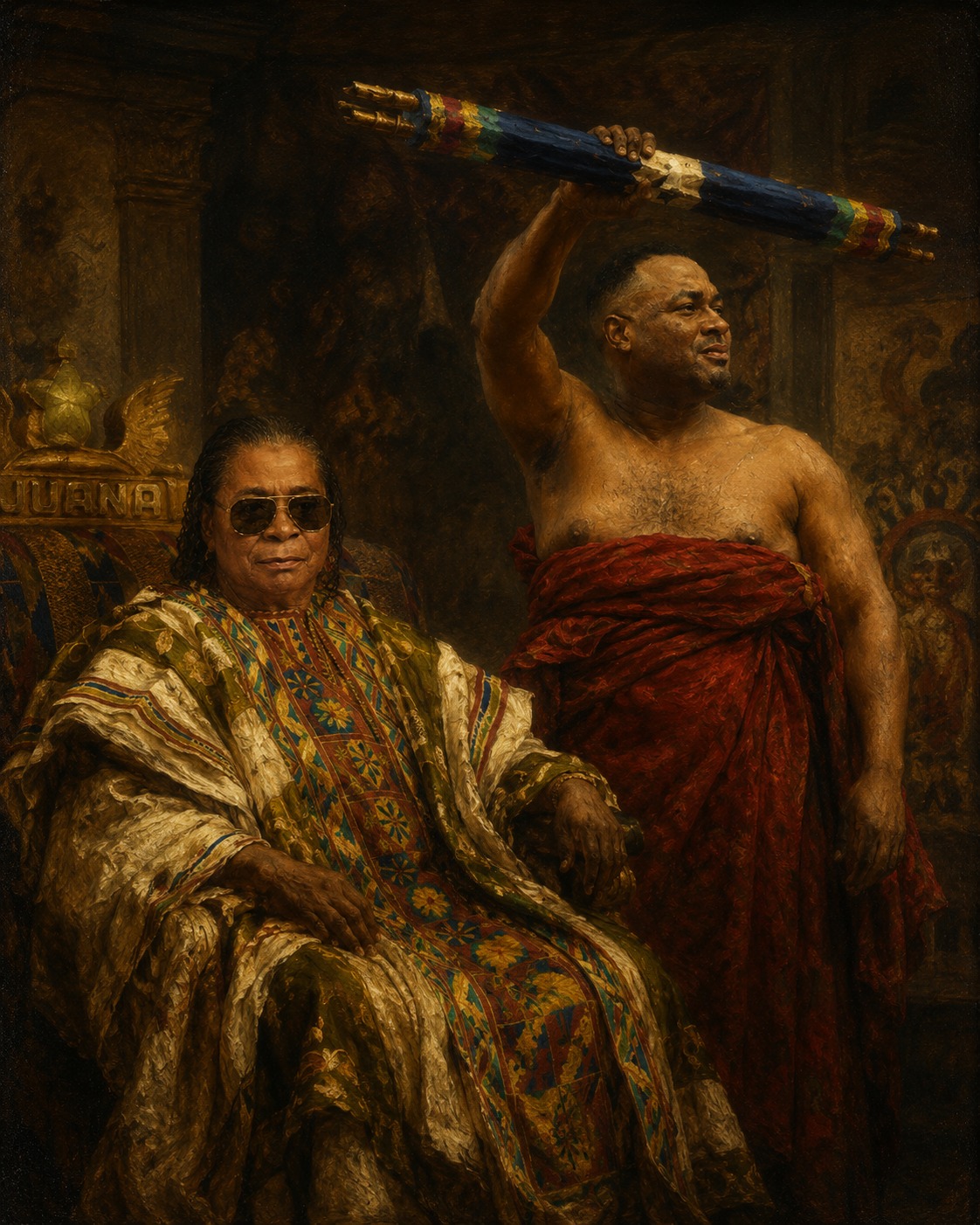
Ethiopia carries a unique place in African history: an ancient civilization, a Christian kingdom with roots stretching back centuries, and one of the few African countries that resisted European colonial conquest.
That history is a source of enormous pride.
But every exceptional story also raises difficult questions:
Can historical pride become separation?
Can a unique identity become a hierarchy?
In the Horn of Africa, survival has shaped belonging.
For societies that have experienced conflict, state collapse, terrorism and displacement, ideas of community and protection can become deeply guarded.
The question of who belongs is not simply cultural.
Sometimes it is tied to survival.
Sometimes it is tied to memory.
Sometimes it is tied to fear.
And perhaps nowhere is Africa's internal contradiction more painful than along migration routes.
Every year, thousands of West and Central Africans travel north hoping to reach Europe.
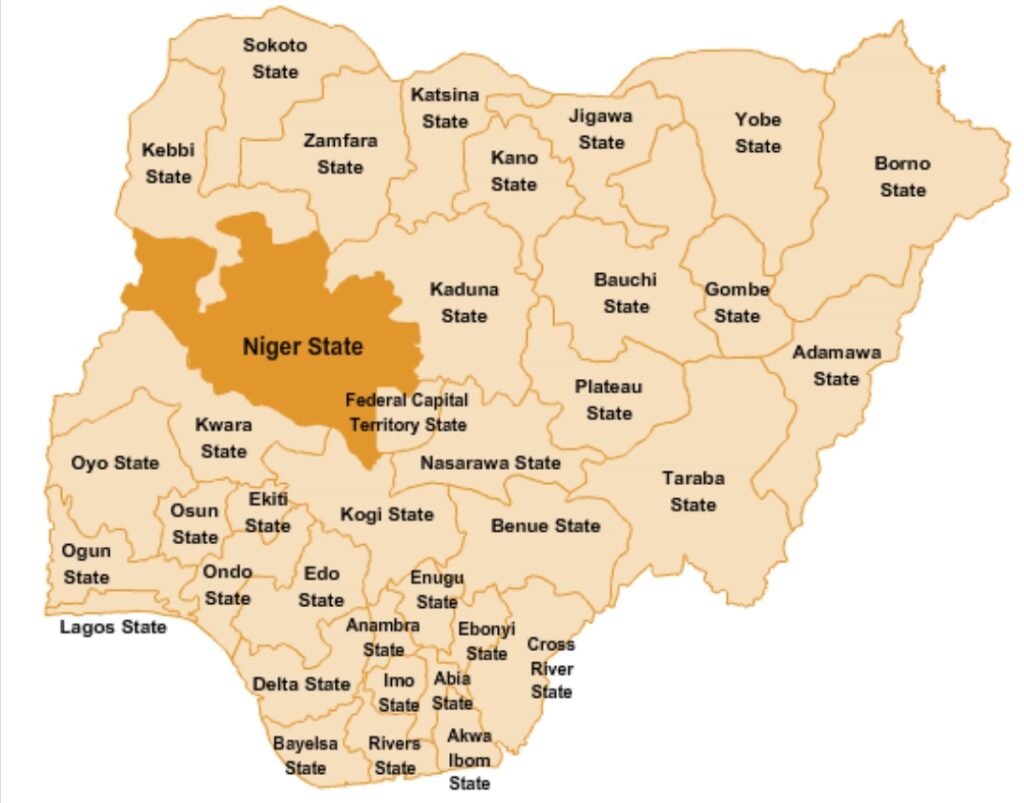
Many pass through countries such as Libya, Tunisia, Morocco and Egypt.
Their journey exposes some of the continent's darkest realities.
Migrants have reported racism, exploitation, abuse and dehumanization. In Libya, international investigations and media reports have documented cases of trafficking and the sale of migrants.
The dream of reaching another continent often forces Africans to confront another painful truth:
Sometimes the hardest borders to cross are not between Africa and the outside world.
They are within Africa itself.
This is the African hierarchy.
Not an official system.
Not a written law.
But a collection of invisible rankings that influence how Africans sometimes see one another.
Rankings based on:
Geography.
Race.
Skin colour.
Language.
Religion.
Wealth.
Colonial history.
National reputation.
Migration status.
Global influence.
Some Africans are considered more "modern."
Some more "civilized."
Some more "authentic."
Some more "foreign."
Some more "African."
The tragedy is not that Africa is diverse.
Diversity is Africa's greatest strength.
The challenge is when diversity becomes a ladder.
When difference becomes superiority.
When identity becomes exclusion.
When history becomes a reason to look down on another African.
This investigation by Africa Reporters Network is not about accusing nations.
It is not about declaring one group better or worse than another.
It is about examining the uncomfortable spaces where identity, history and power collide.
Because Africa cannot build genuine unity by celebrating together only when the cameras are watching.
Unity is tested in everyday encounters.
At borders.
In workplaces.
In universities.
In neighbourhoods.
In conversations.
In the way one African sees another.
Over the coming weeks, Africa Reporters Network will investigate the invisible hierarchies shaping African identity.
We will examine:
Chapter One: The African Identity Crisis — Who Gets to Call Themselves African?
Chapter Two: The Sahara Divide — The Continent Split Between Arab and Black African Identities
Chapter Three: The Island Question — When African Identity Looks Across the Ocean
Chapter Four: The Passport Hierarchy — Why Some Africans Move Freely While Others Are Suspected
Chapter Five: The Economic Ranking — When Wealth Determines Respect
Chapter Six: The Migration Divide — When Africans Become Foreigners in Africa
Chapter Seven: The Language Empire — How Colonial Languages Still Shape Belonging
Chapter Eight: The Colour Line — Race and Status Within Africa
Chapter Nine: The Digital Battlefield — How Social Media Amplifies African Divisions
Chapter Ten: One Africa? — Whether Unity Can Survive Our Invisible Borders
The question at the centre of this investigation is simple:
Africa wants the world to see it as one. But has Africa learned to see itself as one?


.png)
Stay informed with the latest African media trends, job opportunities, and development news. Connecting Africa with global media and development partners.
.jpeg)
.jpeg)
.avif)