.png)


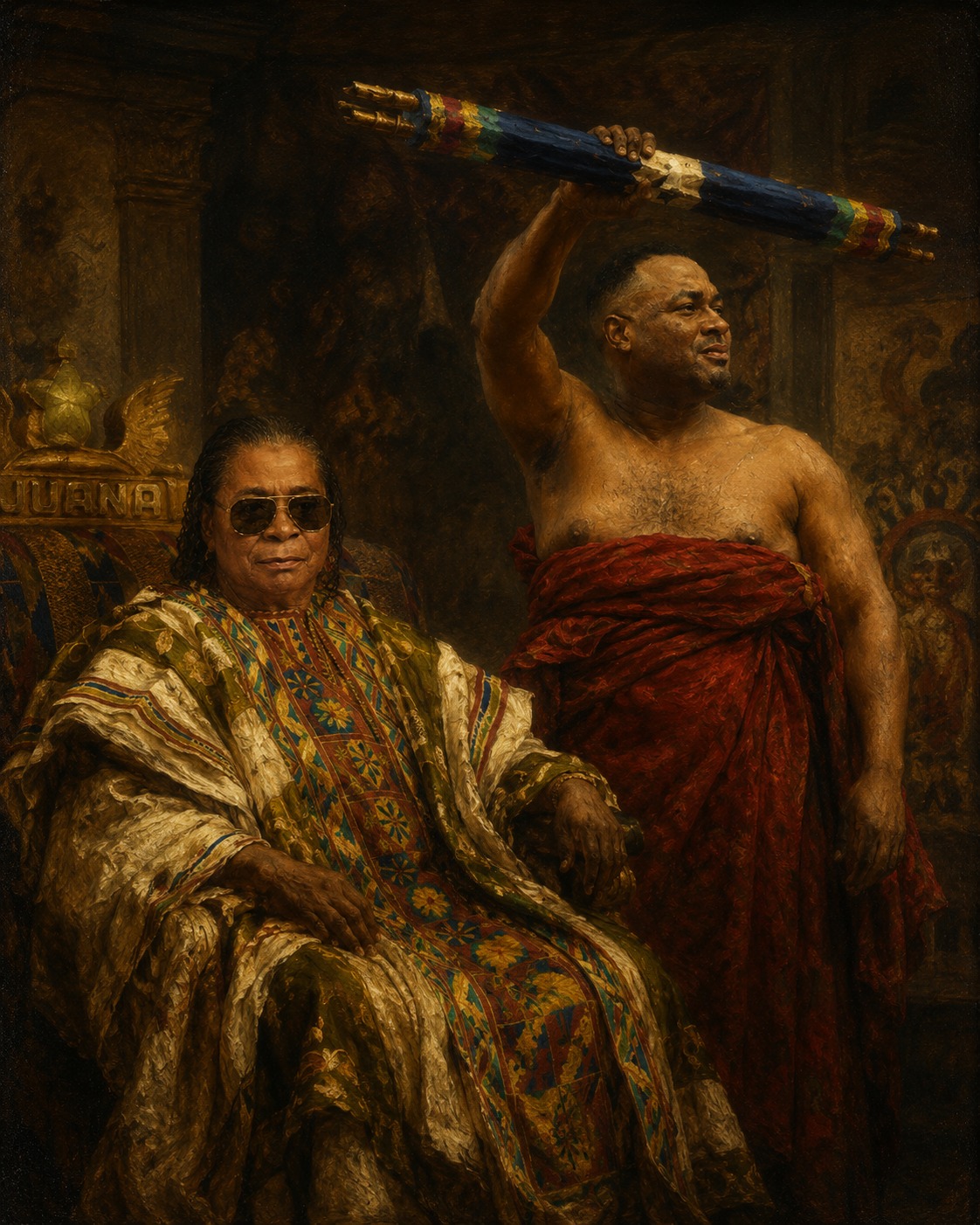
Eritrea's Ministry of Foreign Affairs, in collaboration with the African Group of diplomatic missions, commemorated the 63rd anniversary of Africa Day on 13 June 2026 at the Asmara Palace Hotel under the theme "Africa: One Heart, One Land, One Destiny." Ministers, senior government and PFDJ officials, ambassadors accredited to Eritrea, and members of the diplomatic community attended. The African Union's 2026 thematic focus, which provided the intellectual frame for the evening, was water and sanitation.
The choice of theme is not incidental. Across sub-Saharan Africa, an estimated 400 million people lack access to safe drinking water, and roughly 700 million lack access to adequate sanitation. These are not natural deficits; they are the product of underinvestment in water infrastructure, governance failures in municipal service delivery, and climate pressures that are intensifying water scarcity in already arid regions. The AU's Agenda 2063, the continental development blueprint adopted in 2013, set targets for universal access to water and sanitation by 2063. Progress against those targets has been uneven, and the choice to make this the 2026 theme signals that the continental body recognizes the gap between commitment and delivery.
Eritrea's Foreign Minister Osman Saleh used his keynote address to frame the wider challenge. Africa, he observed, continues to suffer from poverty amid the enormous wealth of the continent. Conflicts continue to ravage lives, property, and opportunities. He called for a thorough evaluation of Africa's current reality and for strategies to extricate the continent from poverty and conflict while augmenting the integration needed for collective action. The global order, he noted, is changing: competition for resources and strategic partnerships is intensifying, while global challenges such as climate stress, public health threats, and inequality require coordinated responses.
These are not new observations. They are repeated with variations at Africa Day ceremonies across the continent every year. What gives them renewed relevance in 2026 is the combination of specific pressures converging simultaneously: the climate crisis is shortening growing seasons and intensifying water stress across the Sahel and Horn; great power competition for Africa's mineral resources, particularly critical minerals for clean energy supply chains, is sharpening; and multilateral institutions that once provided development financing on concessional terms are under political pressure in donor countries. The structural conditions for African development are not improving, even as the rhetoric of partnership and solidarity continues.
The setting of these remarks in Eritrea adds a particular dimension. Eritrea is among the most isolated states in Africa, governed by the People's Front for Democracy and Justice under President Isaias Afwerki, and subject to international criticism for its human rights record and governance practices. The presence of the diplomatic community, including ambassadors from across the African continent, at an event convened by this government reflects the diplomatic norm of state-to-state engagement, but it also places Africa Day's aspirational language against a specific political context. A government that has suppressed internal dissent for more than two decades is an awkward host for a commemoration of African unity and collective destiny.
South Africa's ambassador Percy Mbuzeli Kumsha, in remarks delivered at the event, called Africa Day a reaffirmation of a common journey and a "golden opportunity for continental introspection," and noted that smart partnerships are required. This language of partnerships is central to the current diplomatic moment: the African Continental Free Trade Area is operational in framework if not fully in practice; the AU's reform process continues; and bilateral partnerships with China, the Gulf states, the European Union, and the United States are all in active negotiation or renegotiation. The continent's bargaining position in these negotiations depends partly on the degree to which African states can present a coherent collective interest rather than competing for bilateral advantages.
Africa Day 2026, held under the water and sanitation theme, will not resolve the infrastructure deficits that keep hundreds of millions of Africans without safe water. But the choice of theme acknowledges where the problem is. The question the ceremony in Asmara could not answer is whether the architecture of African governance, from the AU to national governments to local service delivery institutions, can translate the acknowledgment into action at sufficient scale.


.png)
Stay informed with the latest African media trends, job opportunities, and development news. Connecting Africa with global media and development partners.
.png)


.avif)