.png)


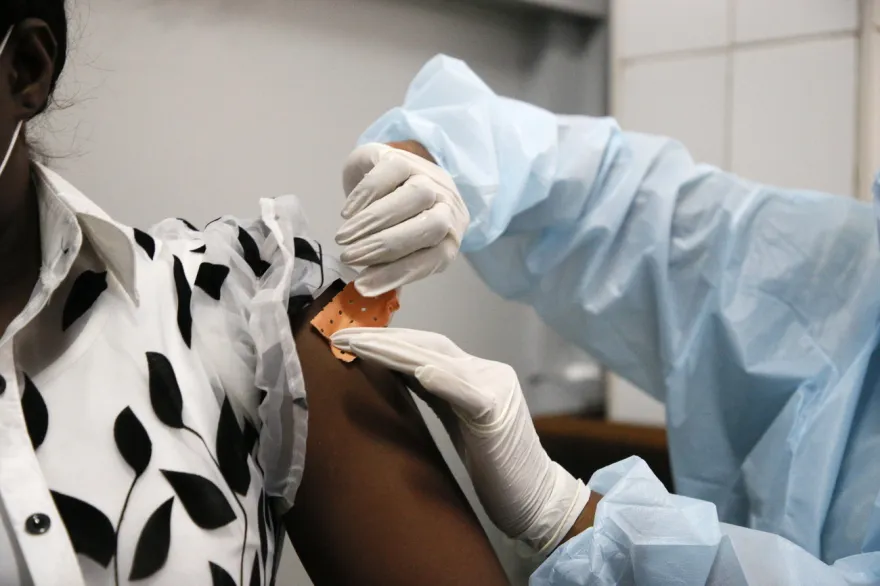
Ghana says it spent GH¢49.72 million evacuating 1,964 citizens from South Africa after a resurgence of anti-foreigner attacks and intimidation. The Minority supports the evacuation but wants the government to produce the records behind the bill.
Ghana’s evacuation of citizens from South Africa has ended. The argument over what it cost has not.
The government says GH¢49,721,786 was spent bringing 1,964 Ghanaians home between May 27 and September 4, after worsening anti-foreigner sentiment and intimidation raised concerns about their safety. The operation used chartered and commercial flights and also covered ground transport, accommodation, feeding, medical care and hospitalisation.
Foreign Affairs Minister Samuel Okudzeto Ablakwa says GH¢38.84 million went to evacuation-related logistics and care. A further GH¢10.802 million was spent on reintegration and transport allowances, while GH¢84,274 was used to repatriate two mortal remains.
The state financed GH¢33.72 million of the total. Engineers & Planners contributed GH¢16 million. Each evacuee received a GH¢5,000 reintegration grant and GH¢500 for transport, according to the government.
The evacuation followed a deterioration in conditions for some African migrants in South Africa. Ghanaian officials say anti-foreigner groups had intensified pressure on migrants and that four Ghanaian nationals died amid the wider crisis and related circumstances.
Ghana has asked South African authorities for investigations into cases involving its citizens and has also petitioned the African Union Commission to put xenophobic attacks against African nationals on the continental agenda. According to the Foreign Affairs Ministry, the issue is expected to be considered at an AU summit in January 2027.
The government says the evacuation was voluntary and that vulnerable people, including children, the sick, older people and women, were prioritised on the first flight. Returnees were also offered medical screening, health-insurance registration and other reintegration support.
The Minority in Parliament says it supported the decision to protect Ghanaians in South Africa. Its dispute is over transparency, not whether citizens should have been evacuated.
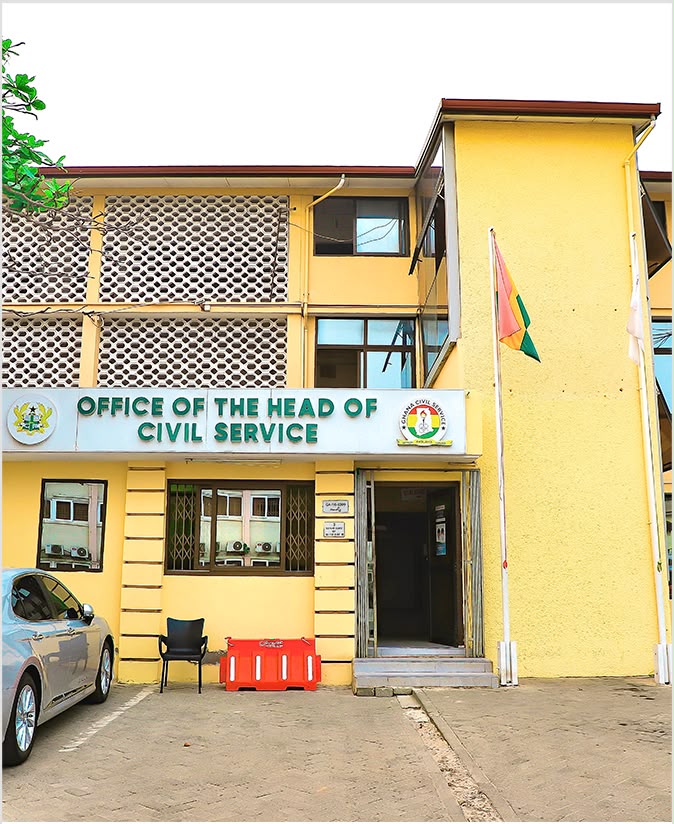
Minority MPs are asking the Foreign Affairs Ministry for an itemised account and documentary evidence supporting the GH¢49.72 million expenditure. They want travel manifests, invoices and payment records that allow Parliament and the public to reconcile the number of evacuees with the money spent.
The Minority says it has used the Right to Information process and filed parliamentary questions seeking details. It has not established that money was misused. Its argument is that a public expenditure of this size should be independently verifiable from the underlying records.
That distinction matters. The government has published a broad breakdown of the expenditure, while the opposition is asking for the documents beneath those totals.
The South Africa operation also exposes a wider problem for Ghana: emergency repatriations are becoming expensive and recurrent.
The Foreign Affairs Ministry says 4,972 Ghanaians have been repatriated from various countries since 2025. It now plans a Ghanaian Diaspora Consular Fund intended to provide a dedicated source of money for future evacuations, repatriations and other emergencies involving citizens abroad.
That makes the argument over the South Africa bill more consequential than a dispute about one evacuation. If Ghana is going to create a permanent mechanism for financing future rescue operations, the accounting standards established now will matter later.
The immediate question is therefore straightforward. Ghana has explained why it brought its citizens home and has published the headline cost. Parliament now wants to see the receipts behind it.


.png)
Stay informed with the latest African media trends, job opportunities, and development news. Connecting Africa with global media and development partners.

)%20(1).jpg)



.avif)